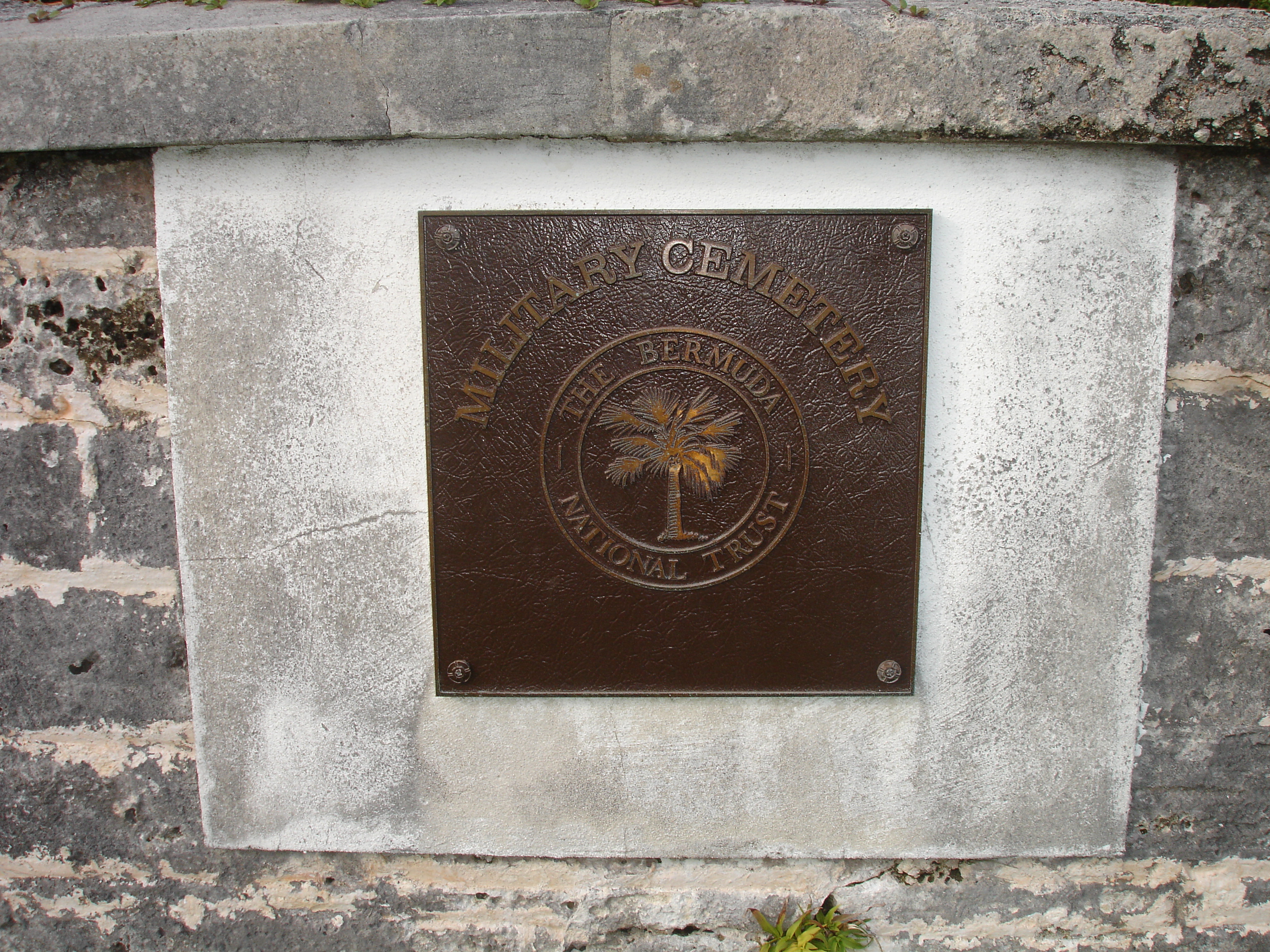
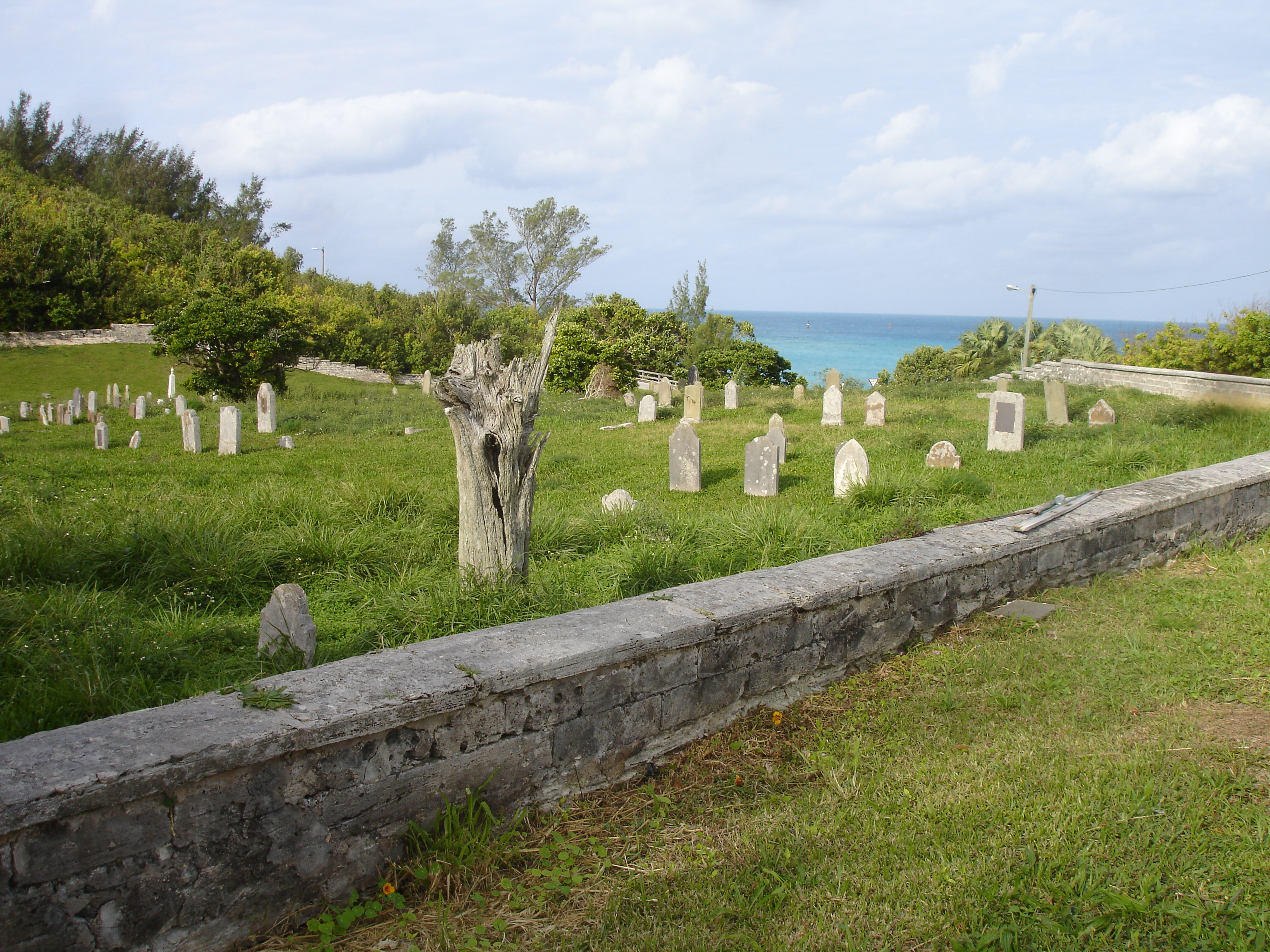
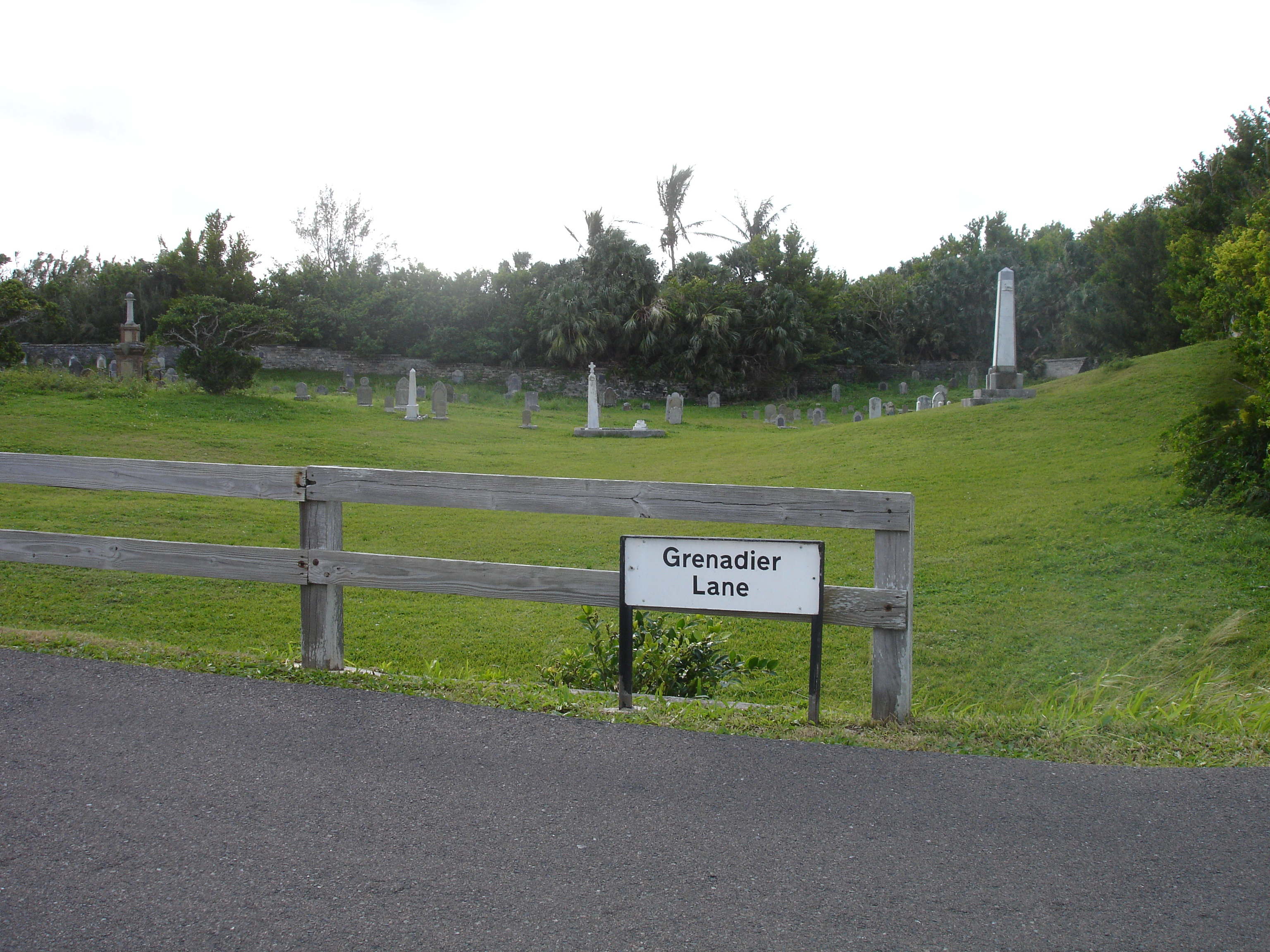
The Military Cemetery at Dawes Bay contains the burial remains of sailors and settlers fallen by tragedy including shipwrecks and Yellow Fever.
Military Cemetery at Dawes Bay – Bermuda
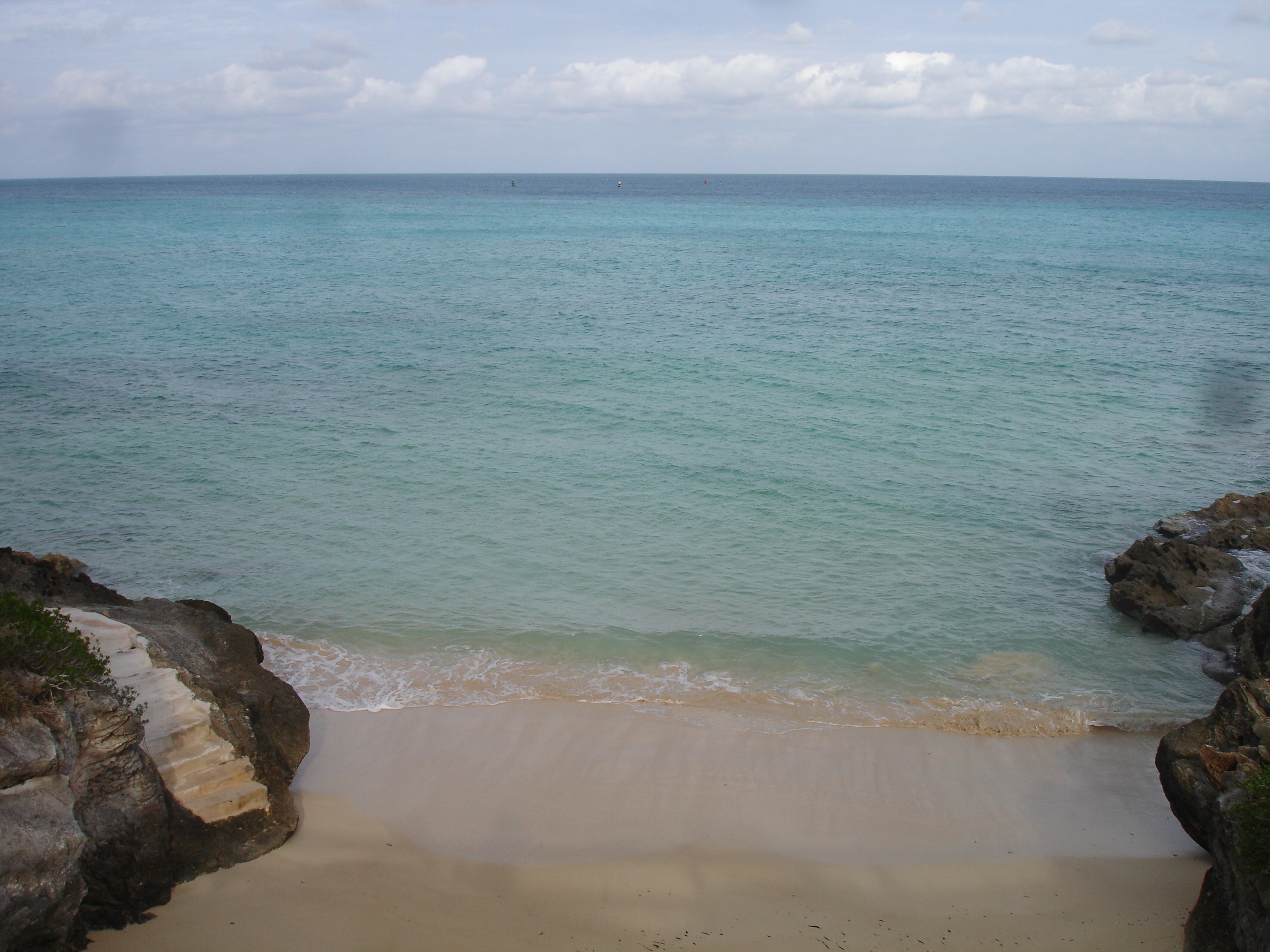
Cresting the hill at Grenadier Lane, travelers are treated to a spectacular view of the crashing waves off the coast of St. Georges, Bermuda. In the distance, breakwater is churned by shallow reefs which have caused damage to uncountable ships looking for safe harbor since the town was settled in 1612.
The Cemetery at Dawes Bay
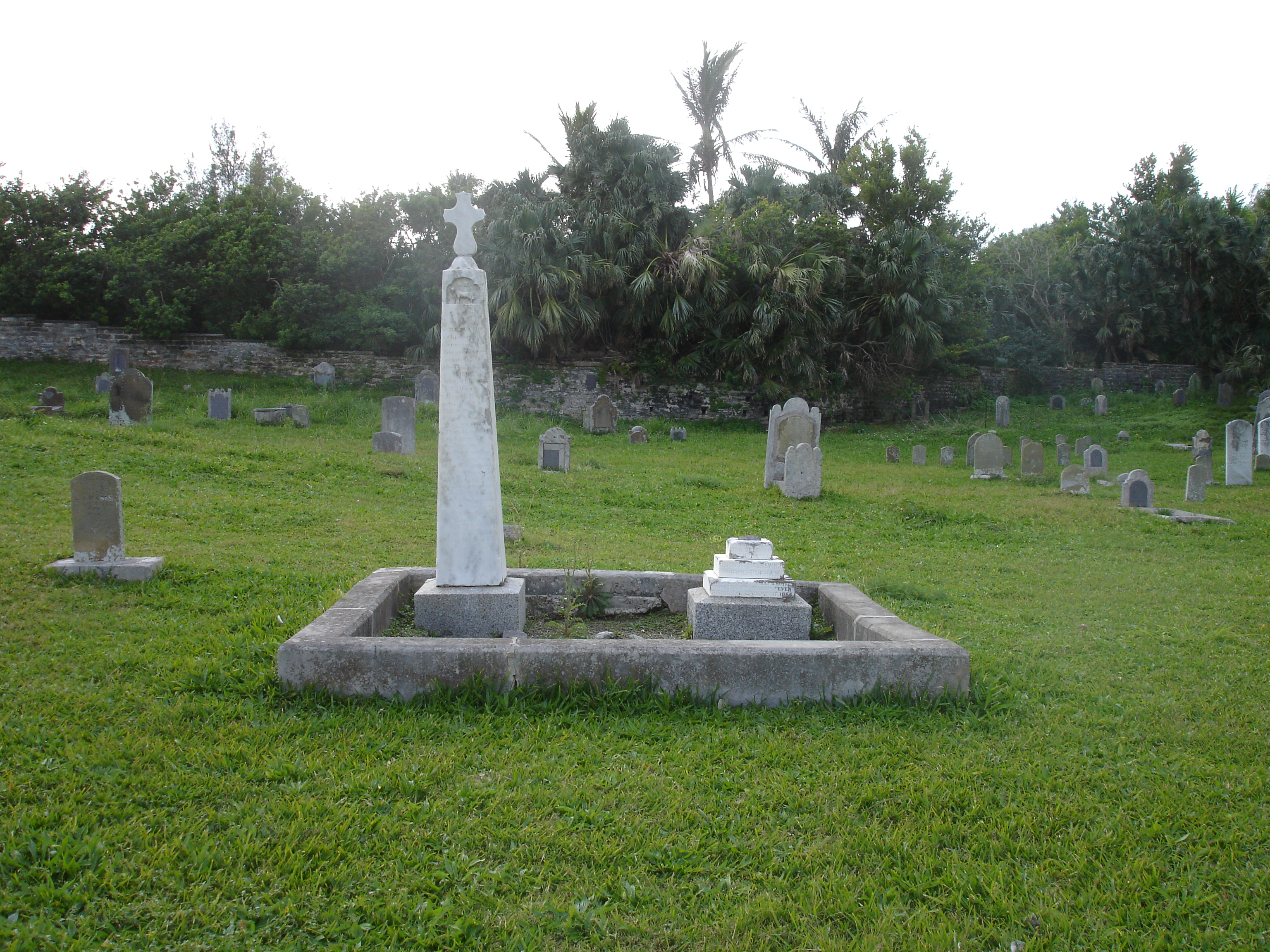
The Military Cemetery at Dawes Bay contains the burial remains of sailors and settlers fallen by tragedy. Not only ship wreck victims are buried here but also Yellow Fever sufferers from outbreaks in the 1800s. Engraved marble grave markers contain the names of Commanders, Captains, and Commoners.
Military Cemetery on Bermuda. Grave marker of Yellow Fever Victim
Across from the Cemetery, Dawes Bay is a small inlet ideal for dabbling your feet and feeling the fine grit sand between your toes during calm water days.
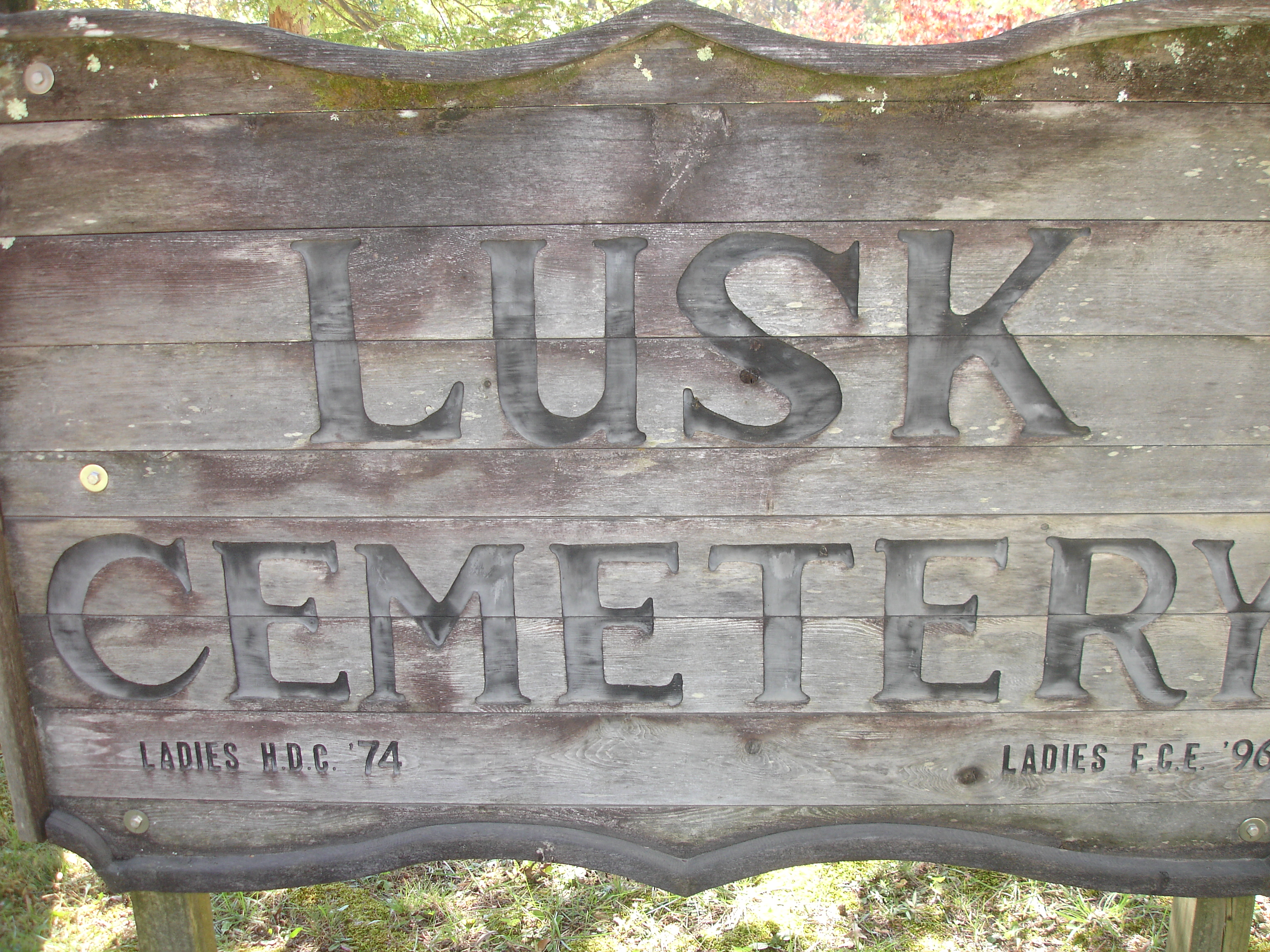
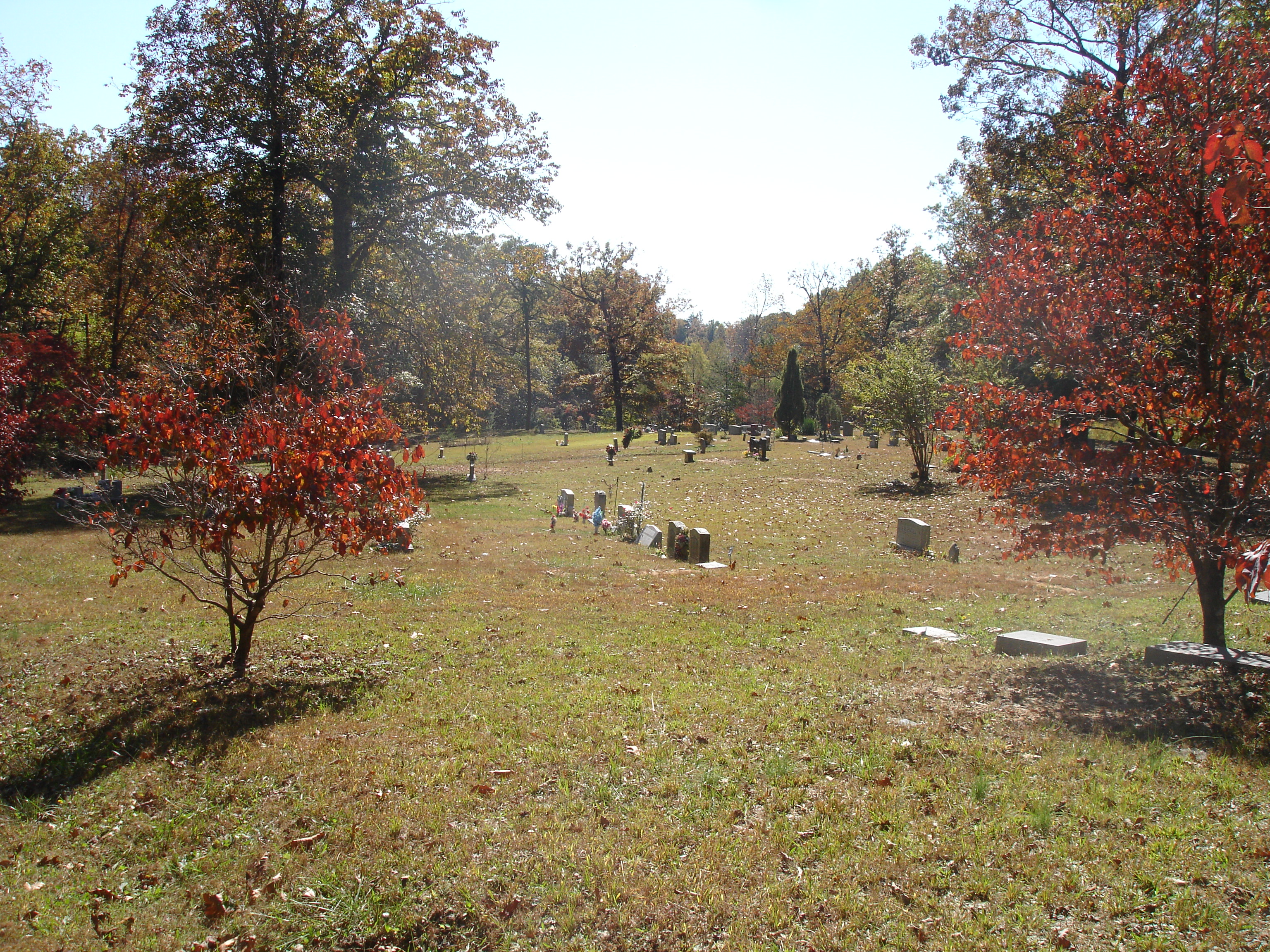
Lusk Cemetery in the heart of Marion County, Tennessee. Prentice Cooper State Park
Lusk Cemetery in the heart of Marion County Tennessee
Along dusty Game Reserve Road in the heart of Marion County, Tennessee is a small cemetery deep within the Prentice Cooper State Forest. There was no cemetery listed on my map when I happened upon Lusk Cemetery. With windshield wipers clearing a narrow field of vision, my van was turning earth colored from all the dust being thrown up on this narrow hunting road. Occasionally gunshots rang out and as I exited my vehicle, 4 hunters on two 4-wheelers appeared from the woods. They stopped briefly to watch me extend the legs on my tripod, then, being more interested in hunting deer than watching some weirdo taking pictures in a cemetery, they revved up their all-terrain vehicles and vanished into the densely wooded state park.
I love Marion County and Prentice Cooper State Park. When I’m sick of the city, Prentice Cooper is one of my favorite get-aways. I can hike for miles in the woods and never see a soul. But these guys on their 4-wheelers; I admire them. I admire their local knowledge of the land upon which they live. I admire the fact that if civilization ever shuts down, these guys will be the survivors. I looked upon them with caution as they came roaring up on their 4-wheelers. Would they consider me a threat? Would they not take kindly that I was taking photographs of their relative’s grave sites? Nah, I’m just like them…exploring the land, paying respect to those who have passed along before me, and minding my own business not hurting anyone.
Lusk Cemetery represents God’s Country in Marion County, Tennessee.
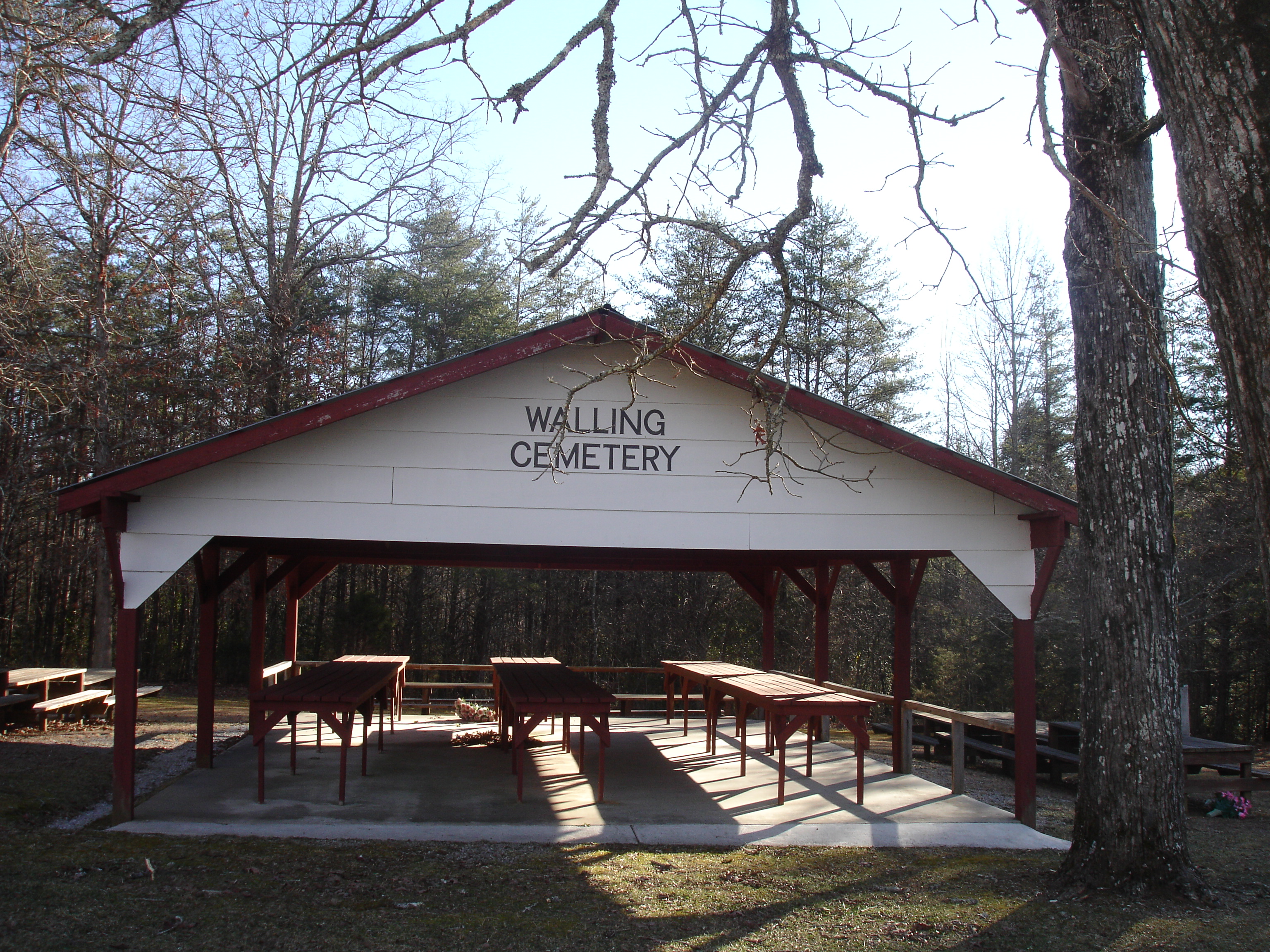
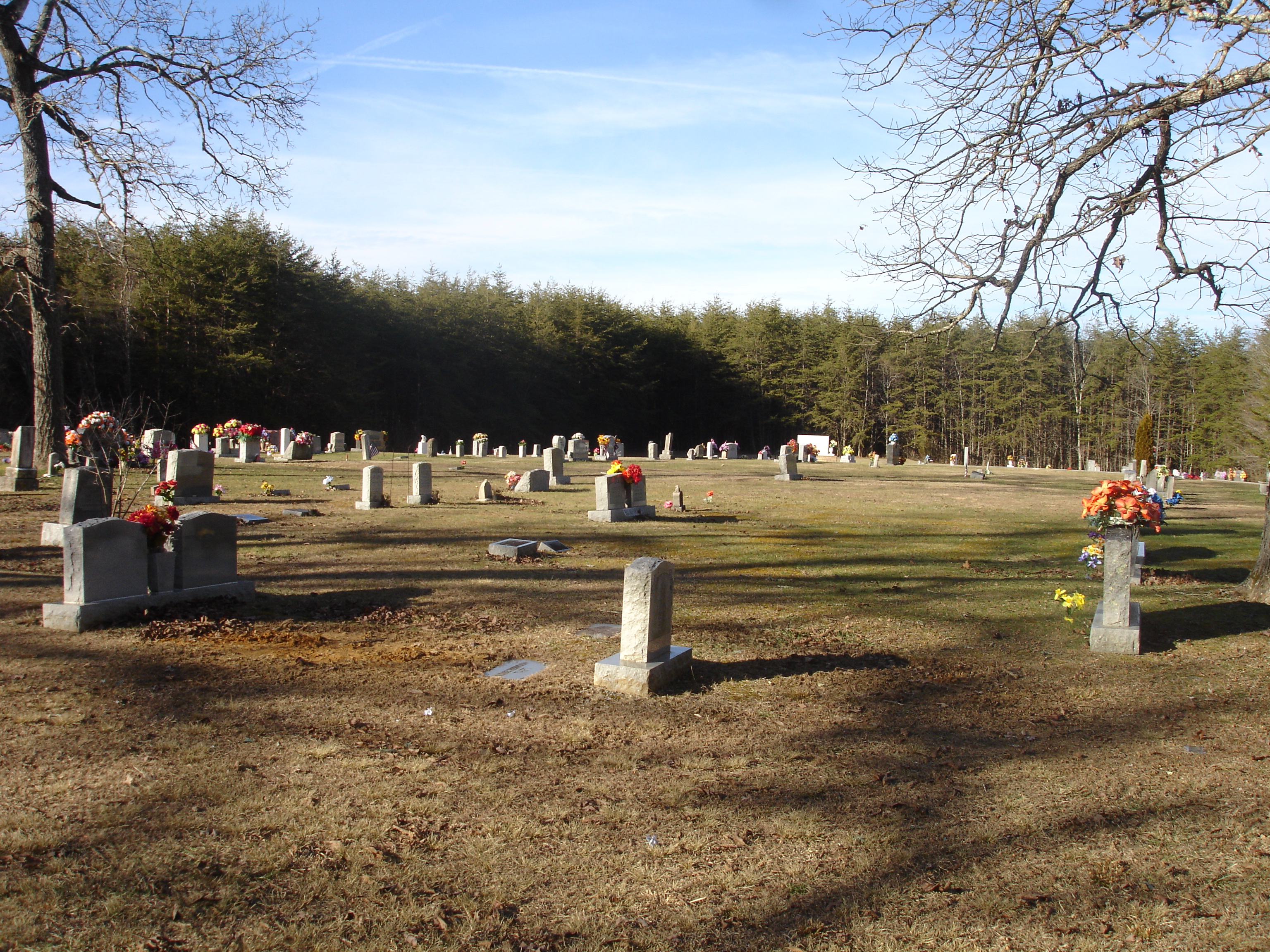
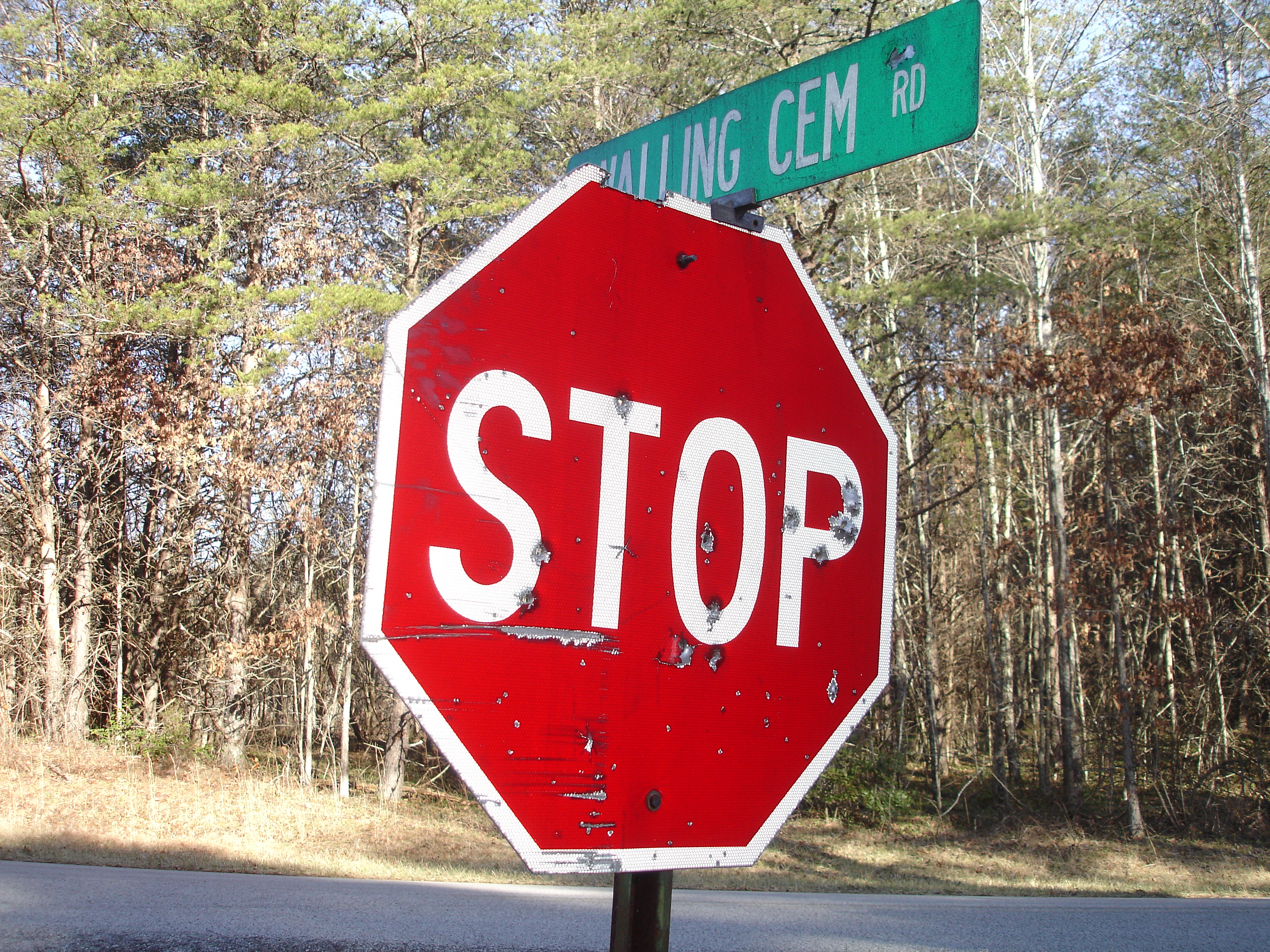
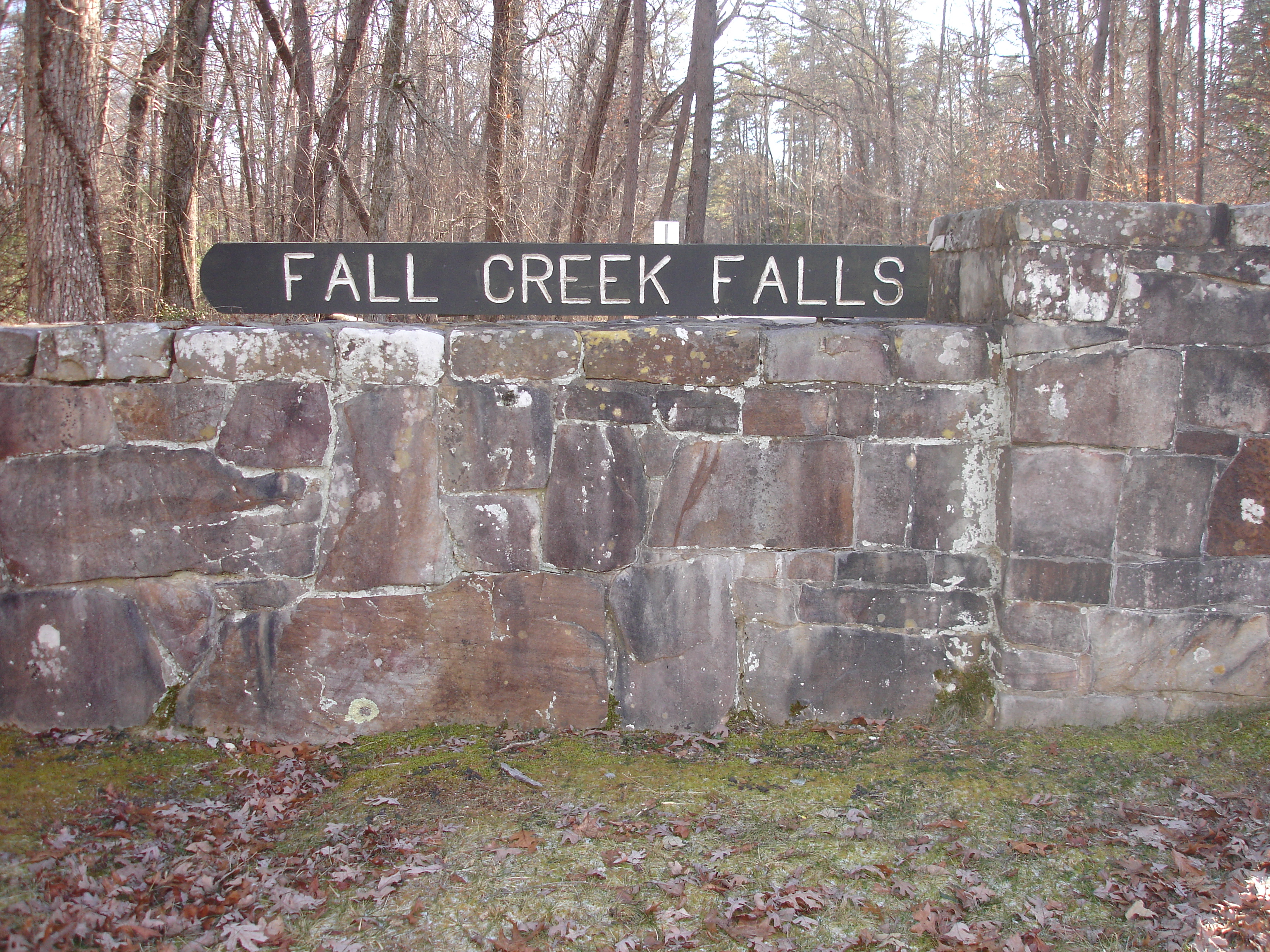
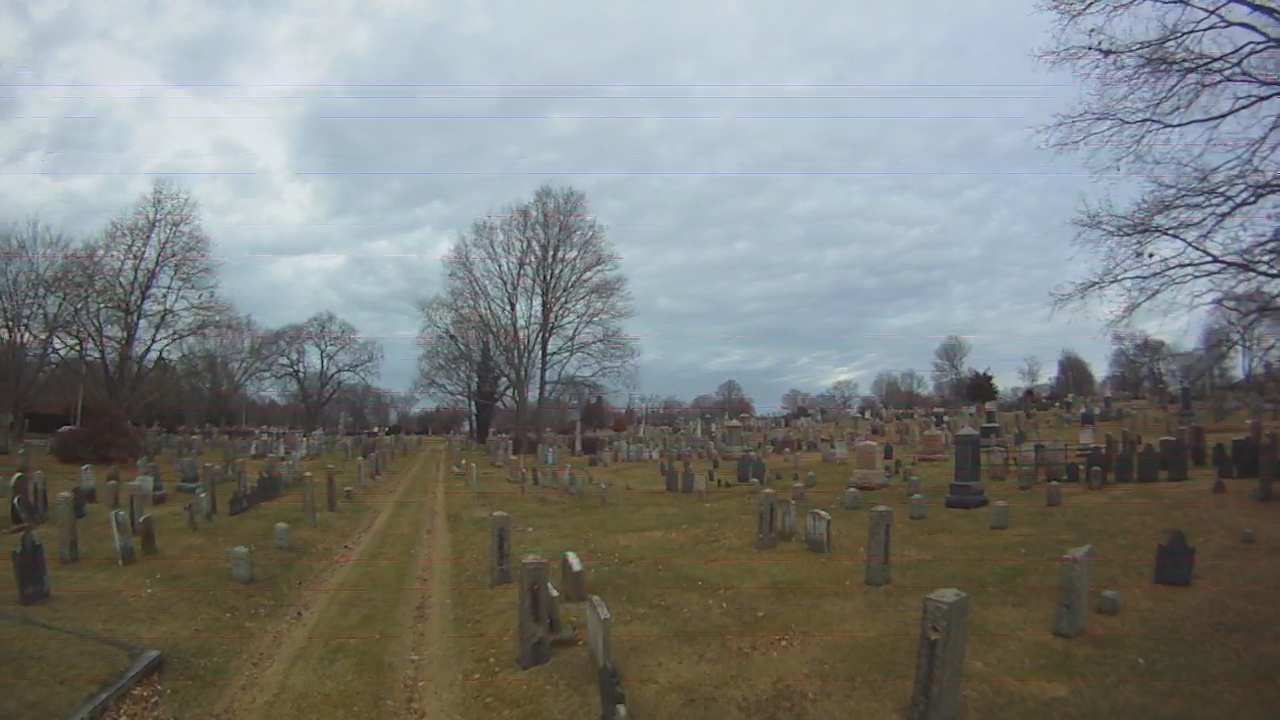
Walling Cemetery – Pikeville, Tennessee near Fall Creek Falls State Park
Walling Cemetery – Pikeville, TN
On a drive to one of Tennessee’s most beautiful State Parks (Fall Creek Falls), I made a detour to Walling Cemetery. This time of year on the upper elevations of the Cumberland Plateau, the winds carry a chill but the skies are brilliant blue.
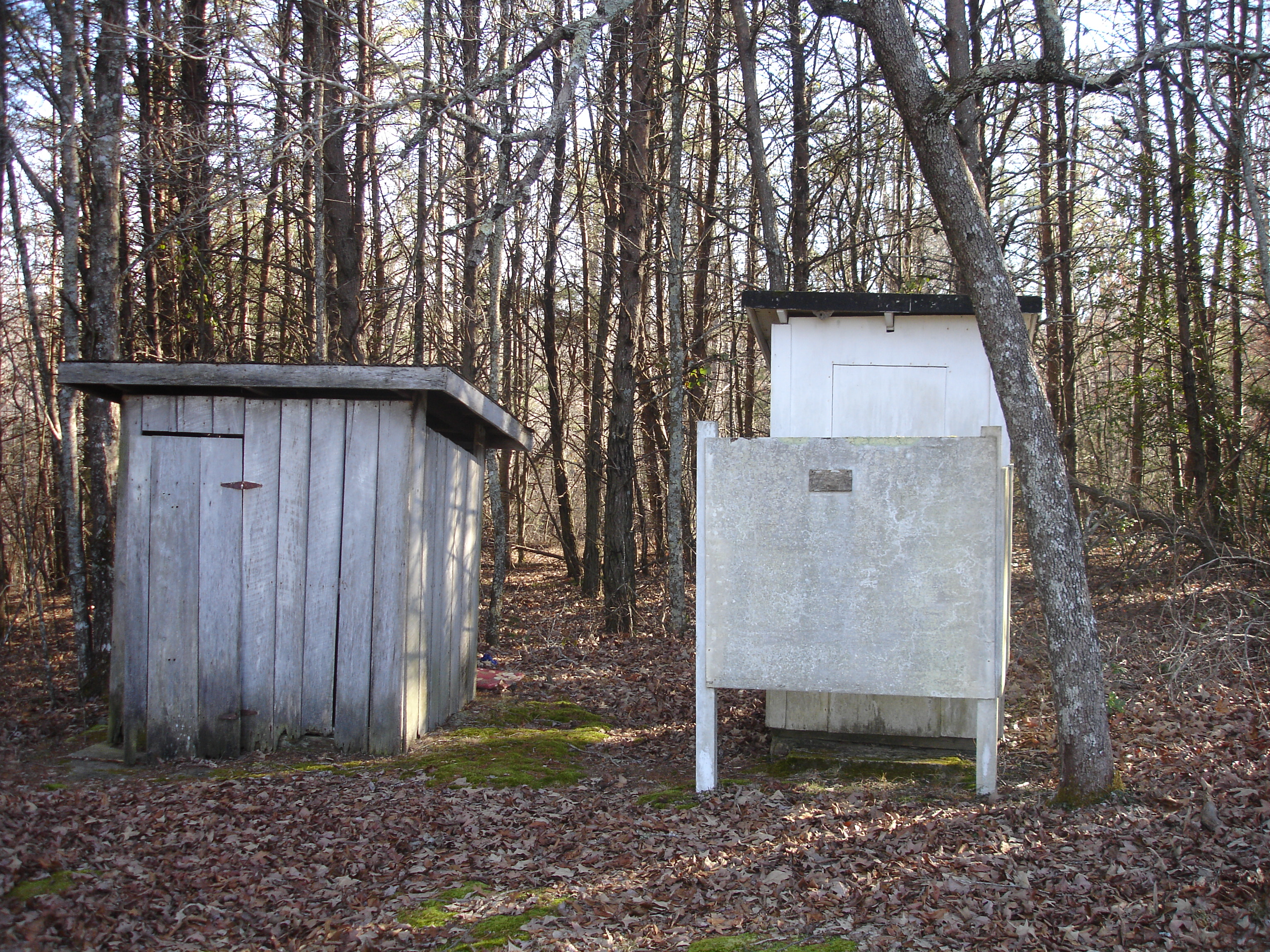
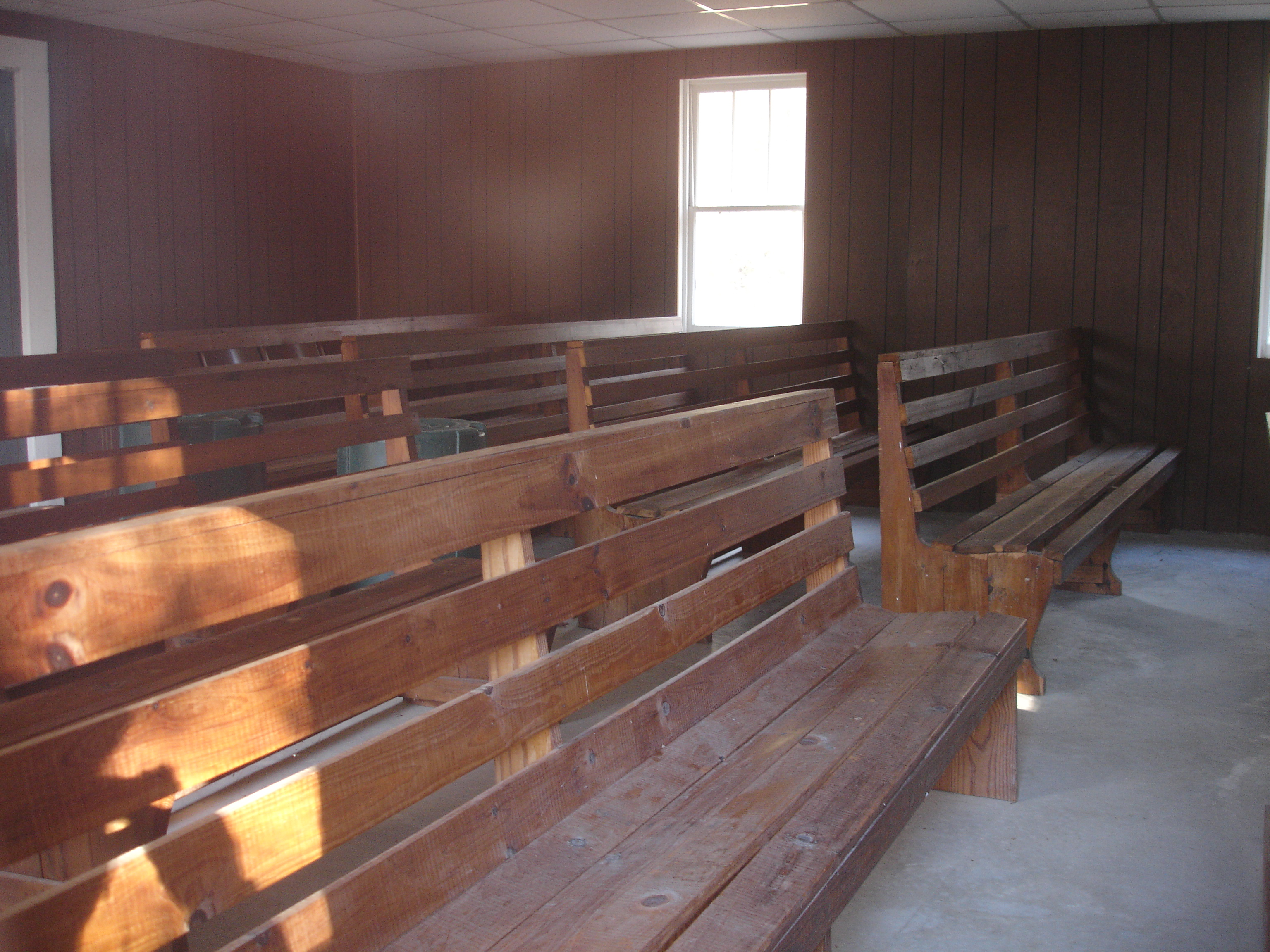
Walling Cemetery is one of those cemeteries I imagine is a gathering place for residents in nearby communities. With sheltered eating areas, outhouses, and a small church, I envision countless generations have spent Sunday afternoons congregating on the outer edges of the cemetery grounds. Men speak of football and business dealings while their wives compare hats and Sunday dresses slightly annoyed at their children running and playing amongst the wide open cemetery.
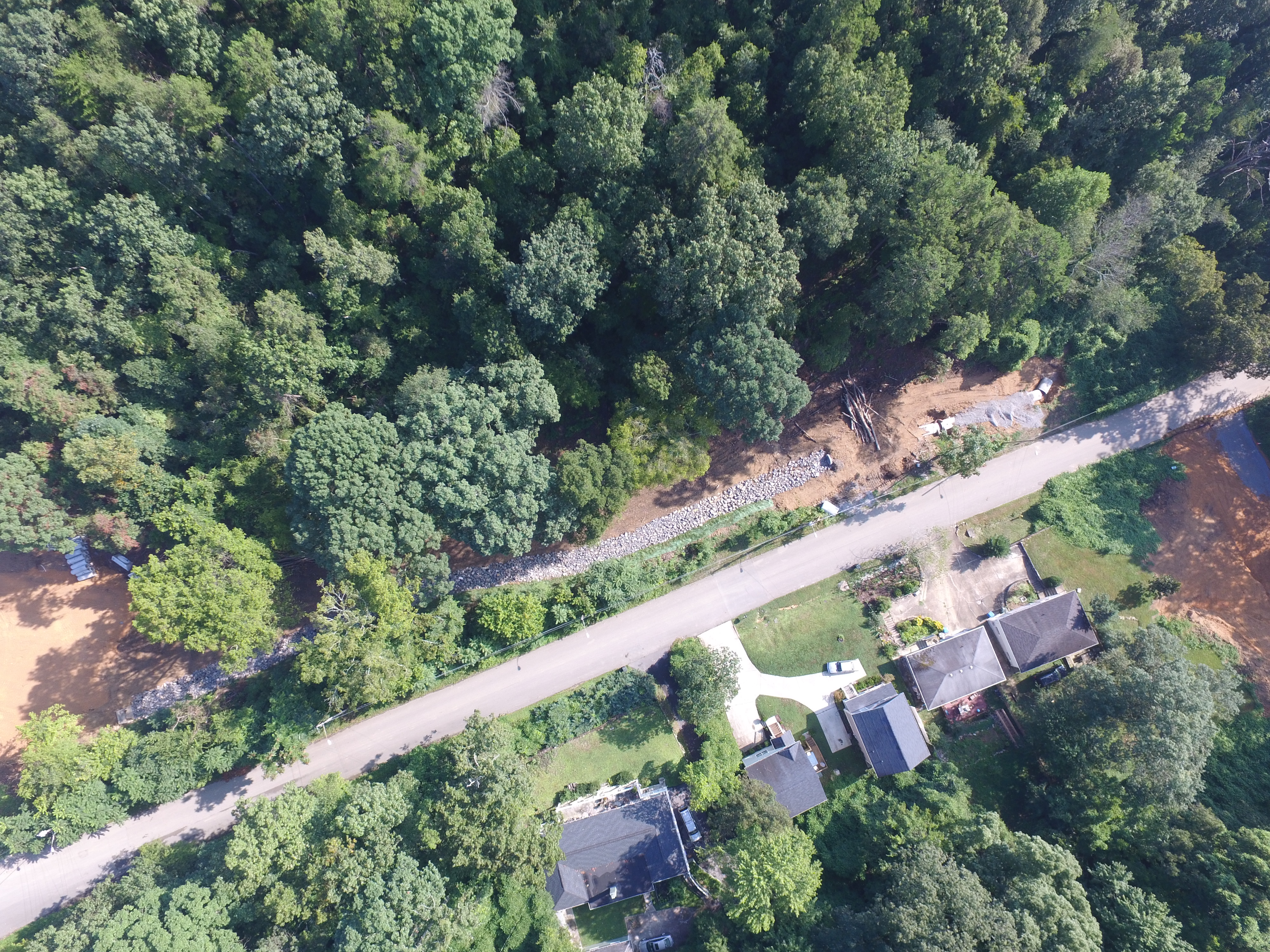
Beck Knob Cemetery – local construction crews discover a long forgotten cemetery forcing bulldozer operators to halt their work.
Cemetery Halts Construction
Beck Knob Cemetery
Chattanooga, Tennessee
Local construction crews halt work after discovering grave plots within their work area.
It’s funny how a simple newscast can change the course of your day. After exiting the post office and returning to my car, I flipped on the local talk radio station to hear the local news. 10 seconds later and I would have missed this news blurb completely. However, Kevin West dropped a hint that a local construction crew discovered a long forgotten cemetery forcing bulldozer operators to halt their work.
I have visited Beck Cemetery many times but I wasn’t familiar with Beck Knob Cemetery. Using a GPS Cemetery Data-Set downloaded into my Garmin, I discovered the cemetery was a quick 5 minute drive from my location. I popped over to survey the cemetery and chat with the construction crew. Instead of workers, I found a news team busily filing their report. They seemed amused when they realized I study cemeteries. Within seconds they asked for (and received) my permission to be interviewed for their evening newscast.
Without proper planning, I felt unprepared to give an interview but the professional reporter lead me through the process fairly pain-free.
Beck Knob Cemetery is a family burying ground dating from the late 1800’s to the early 1940’s. The land was donated by a local land owner when he saw a need for burial plots for former slaves and their families. The ground has been maintained over the decades since the 1940’s but recently fell into neglect. Anyone who lives in the Chattanooga area knows Kudzu, which was brought into the area in the 1800’s to curb erosion of our steep hillsides, quickly overtakes plats of land. Kudzu has completely overgrown Beck Knob in recent years obscuring the cemetery from the construction crew’s visual inspections. By all accounts, the construction crews seem to be acting reasonably in their protection of the cemetery.
Though the cemetery is well known by residents of the area, I feel sure recent news coverage of the cemetery will prompt surrounding land owners to re-familiarize themselves with the cemetery’s boundaries.
New Orleans, Louisiana Cemeteries are fascinating.
With designs fashioned after French burial architecture, New Orleans, Louisiana’s St. Louis cemeteries have weathered hundreds of years of swamp-muggy weather and shifts in culture. Yet, they remain some of the most fascinating cemeteries in the United States.
I first visited New Orleans two years after the Hurricane Katrina event of 2005. The city was still largely in shambles and I performed relief work to help homeowners in the area. I wanted to do much more, but the minuscule amount of work I did helped a few homeowners achieve a bit of relief.
On that first trip, I was not able to spend an extensive amount of time visiting cemeteries. However, on a subsequent drive down to Southern Mississippi in 2016, I made a special trip into New Orleans.
On this visit, I dedicated time to New Orleans Cemeteries specifically the St. Louis Cemeteries.
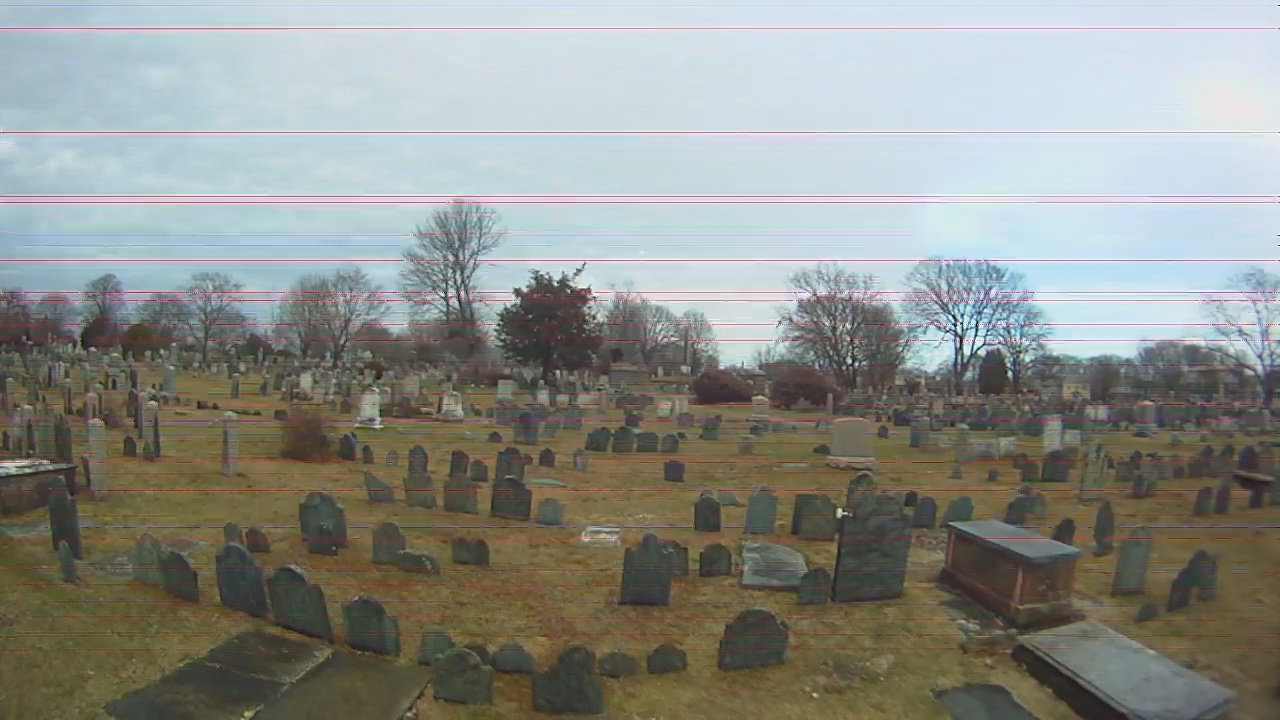
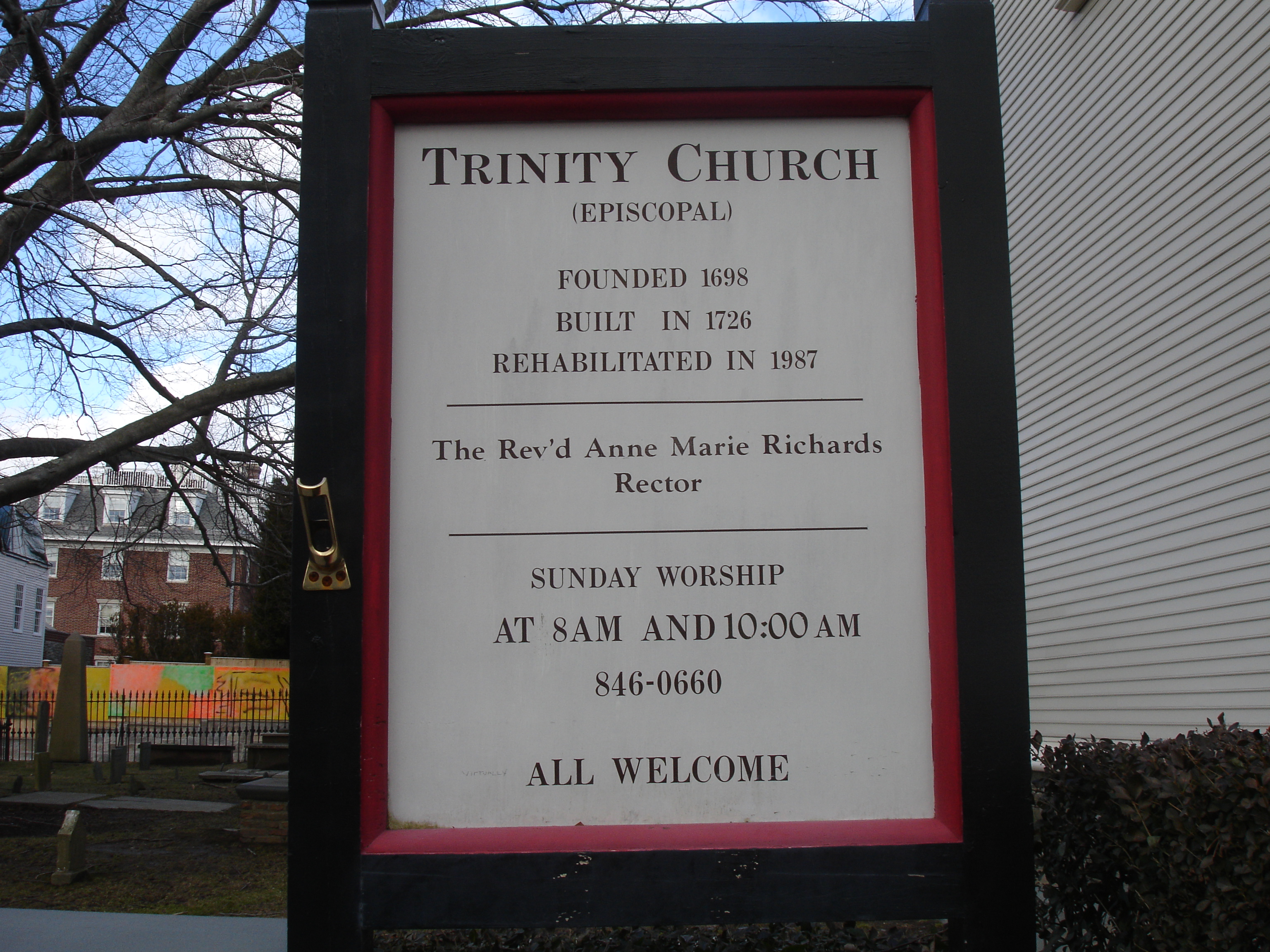
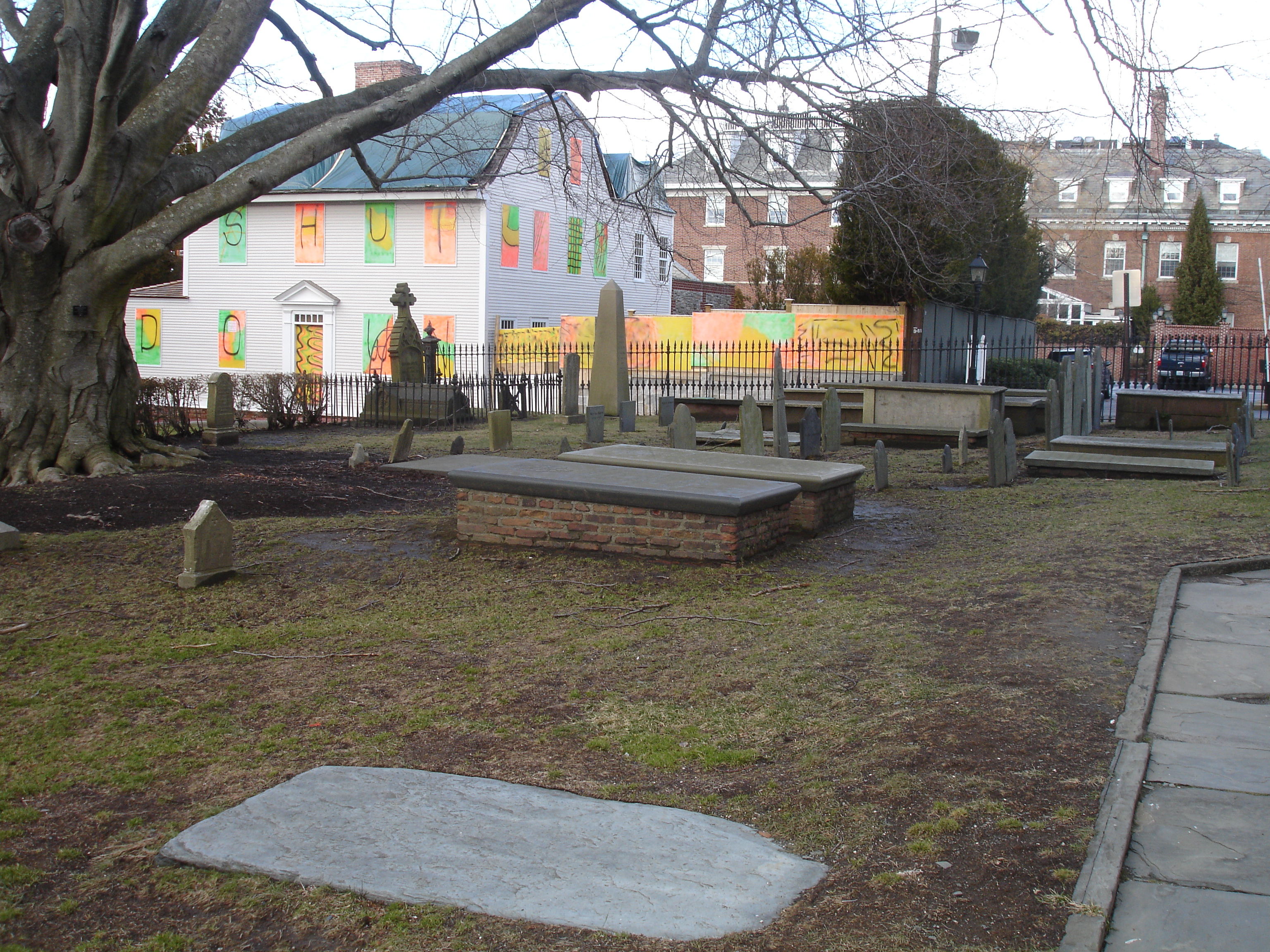
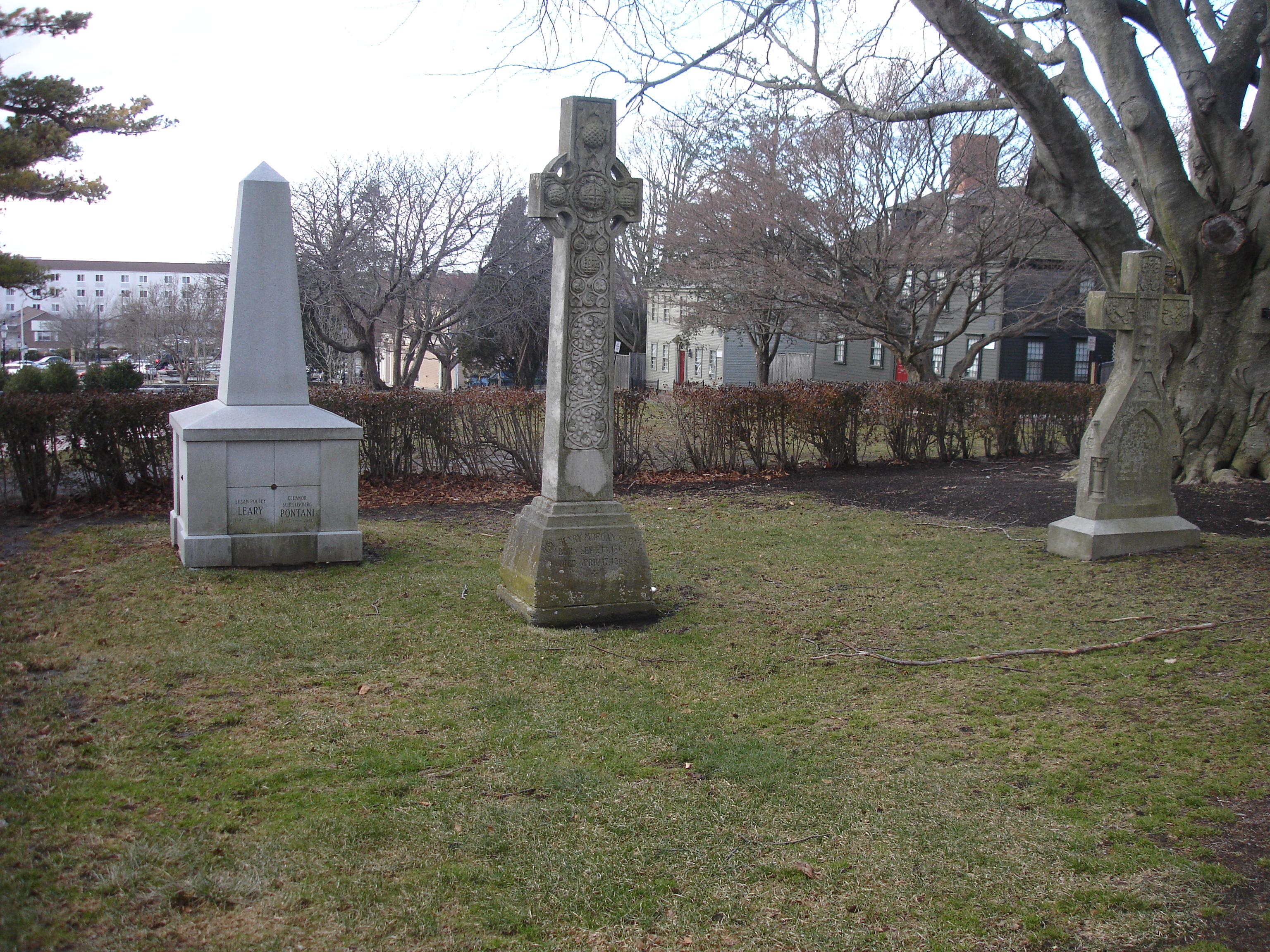
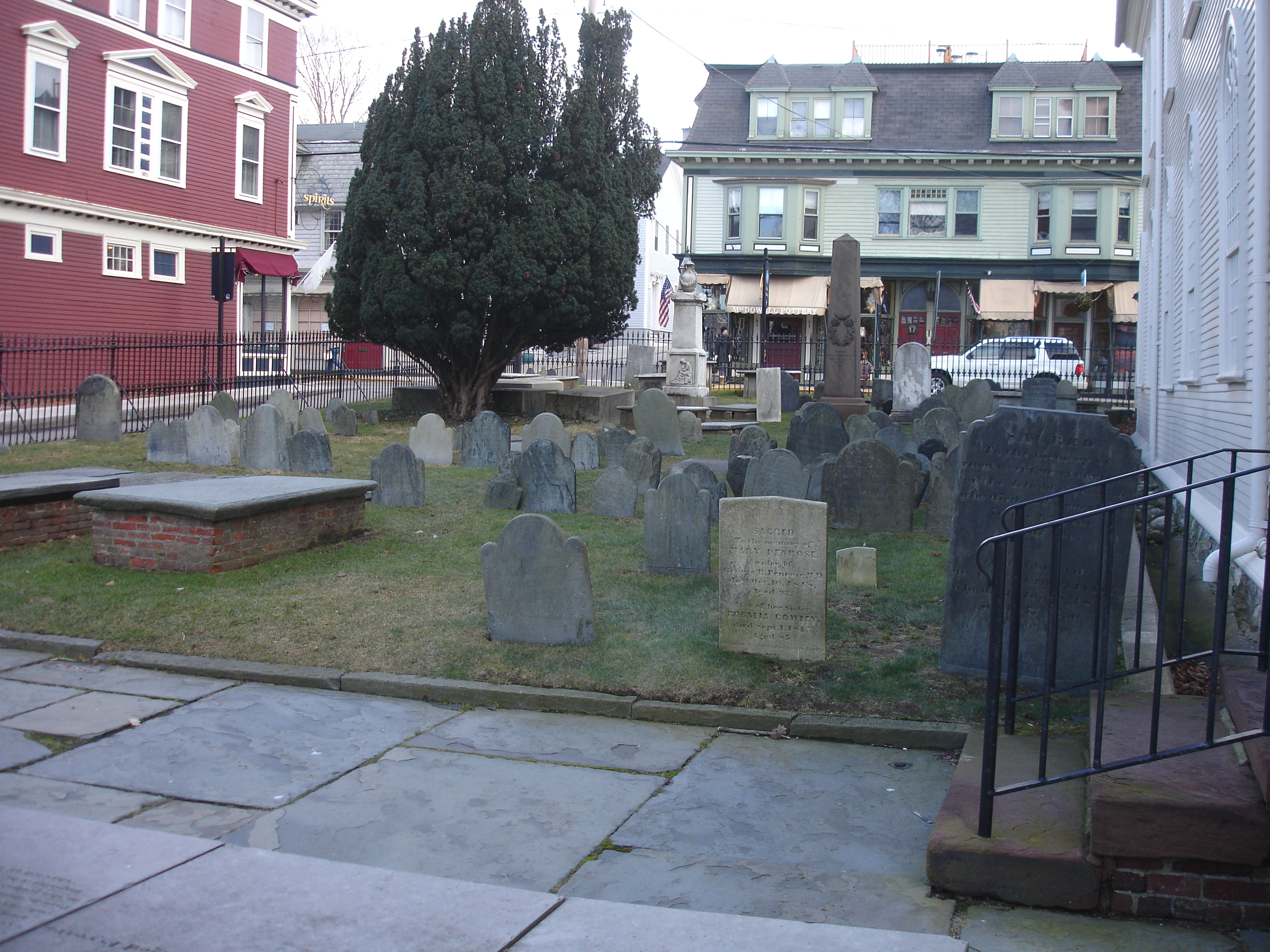
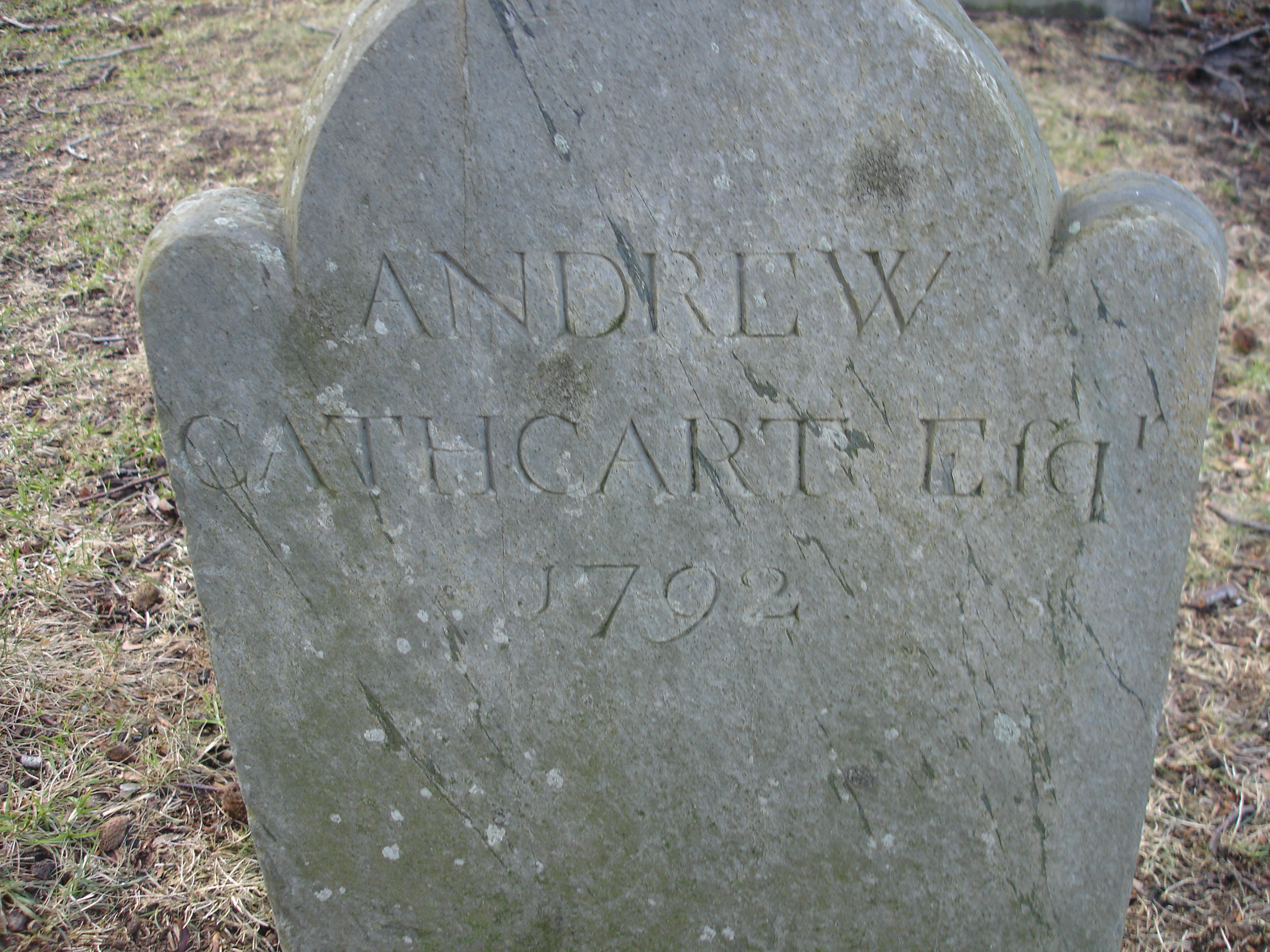
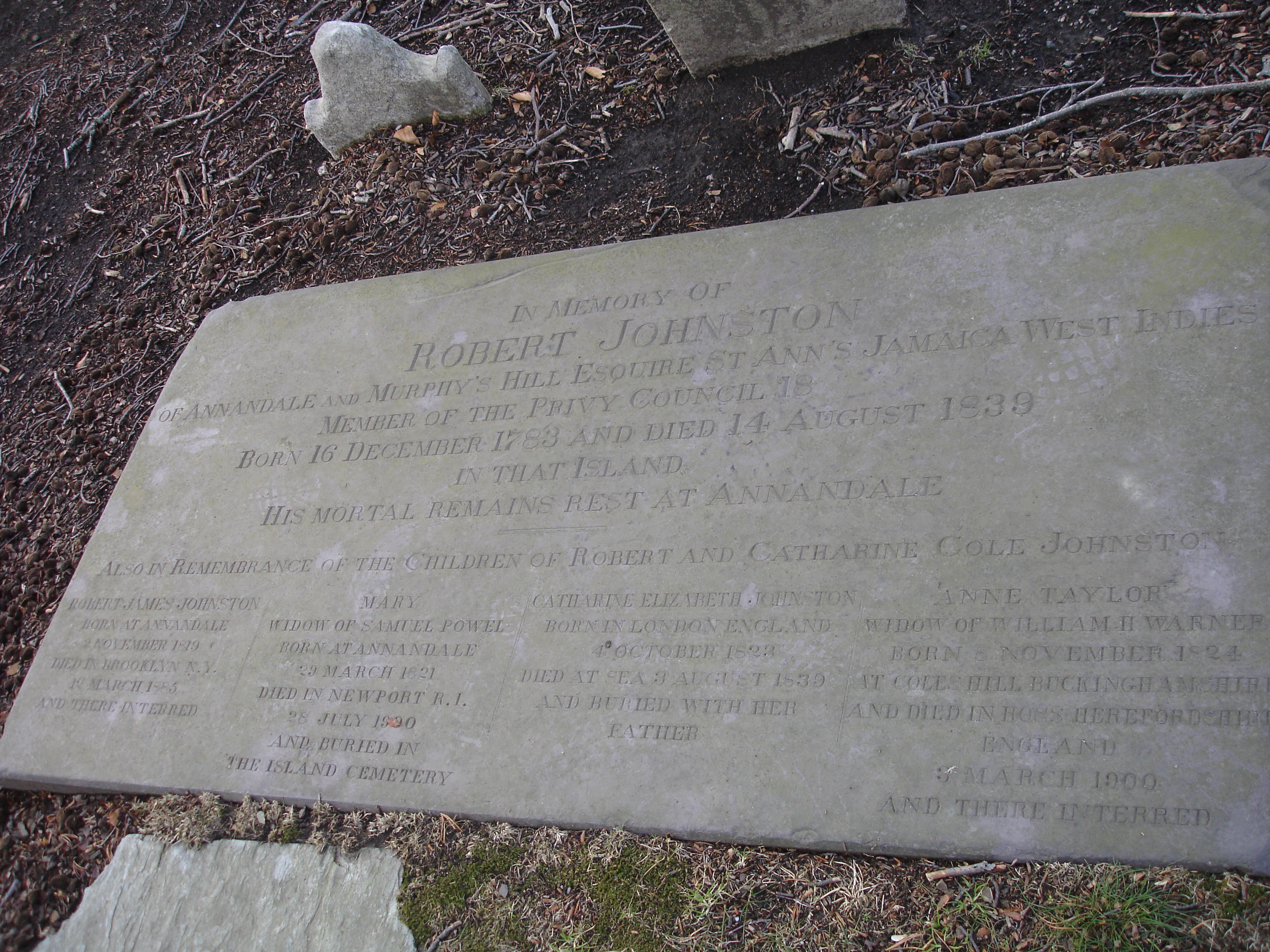
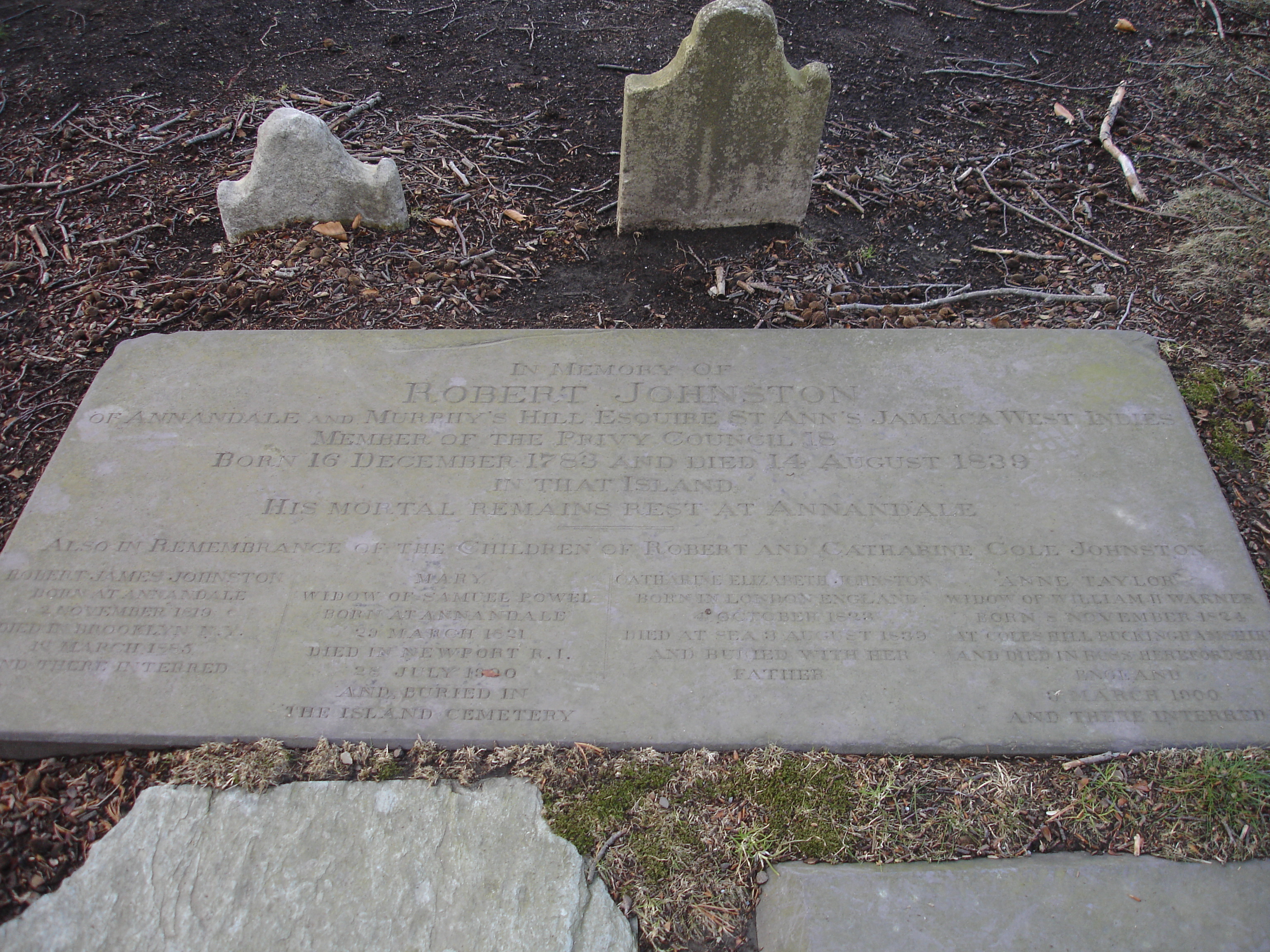
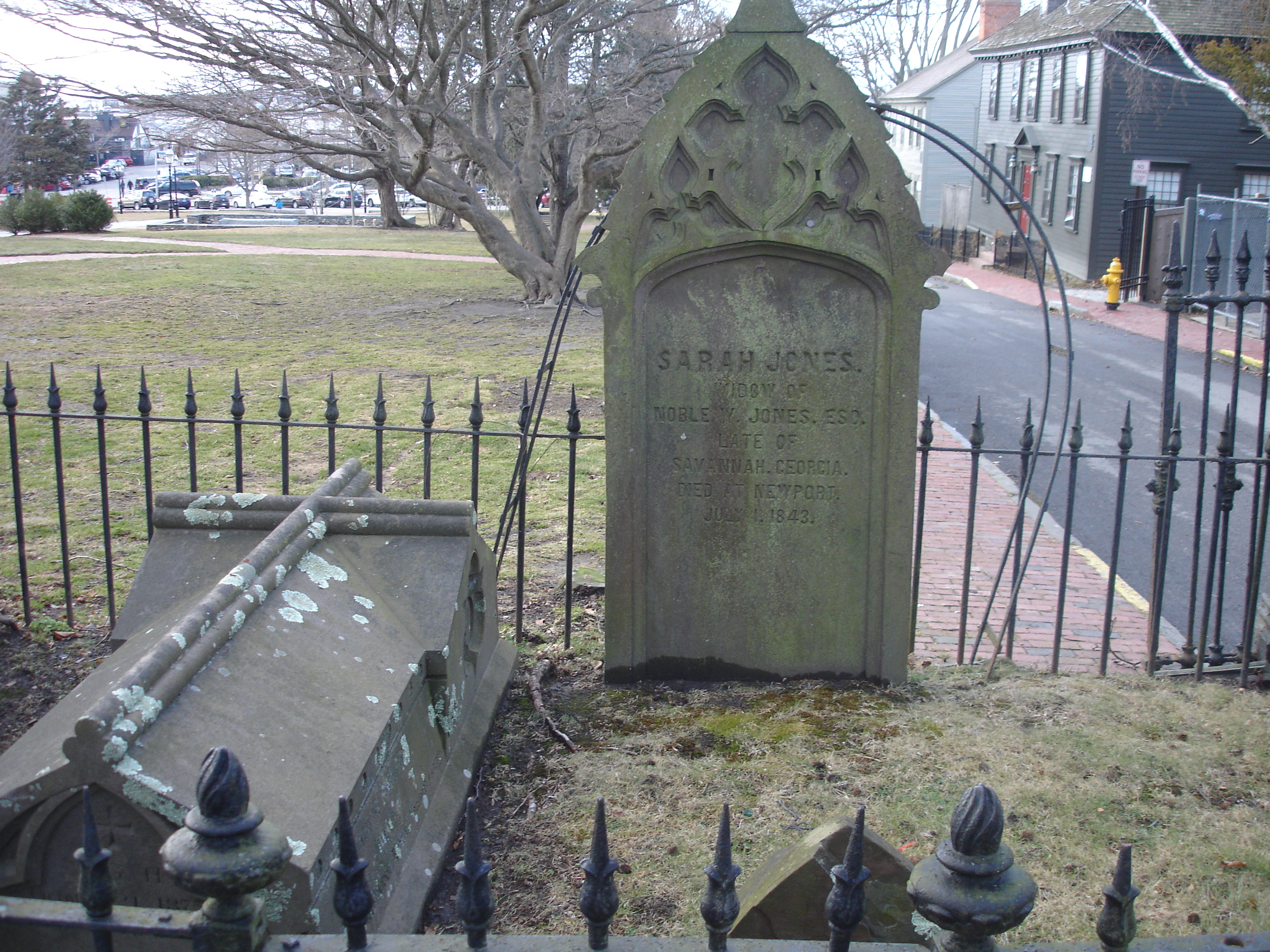
Newport was founded in 1639 and thus its cemeteries have their roots deeply intertwined with early colonial history.
On a frigid January afternoon, I stepped off my sailing vessel on Bowen’s Warf to take in the sights and sounds of historic Newport, Rhode Island.
I was in the midst of a grand adventure that would eventually take me across the North Atlantic Ocean in the middle of Winter to explore the cemeteries on the island nation of Bermuda. In the meantime; I was excited to explore the outer fringes of east coast mainland USA bundled in a thick sweater and rain resistant overcoat. The frigid weather did not discourage hardcore Rhode Islanders. As I strolled along America’s Cup Avenue crowds of people enjoyed the sights and sounds of the piers’ tourist attractions.
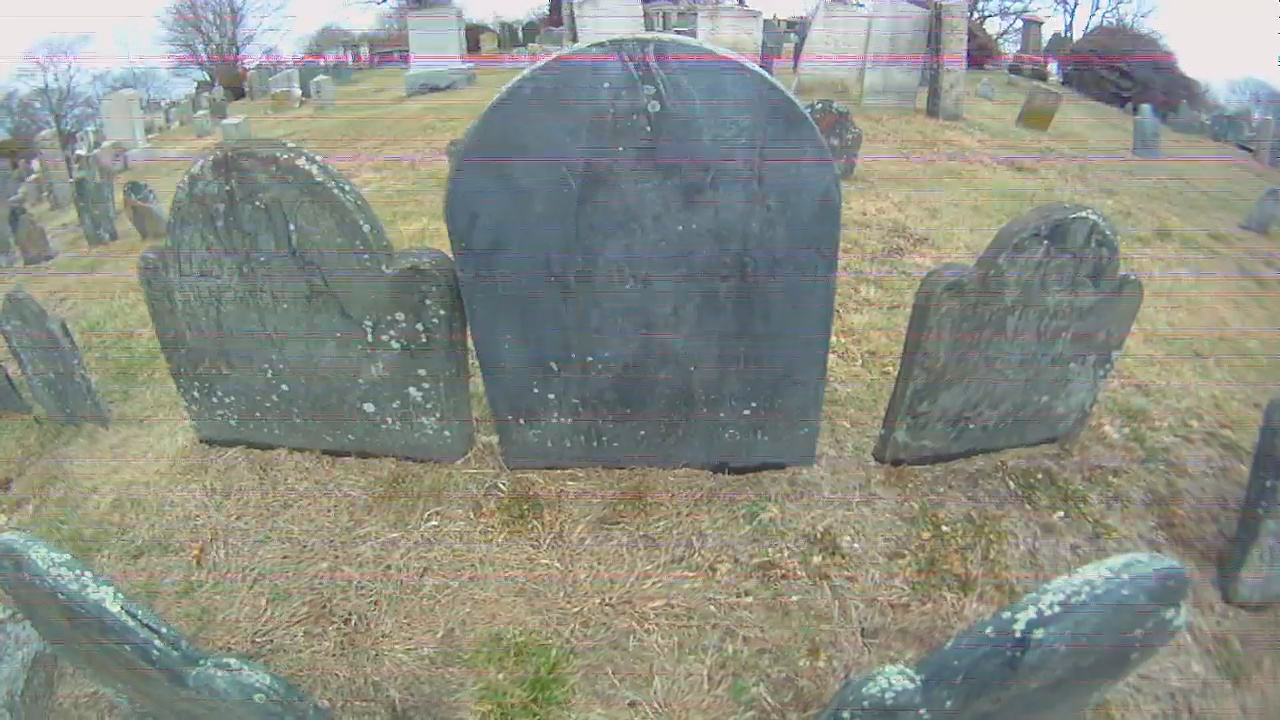
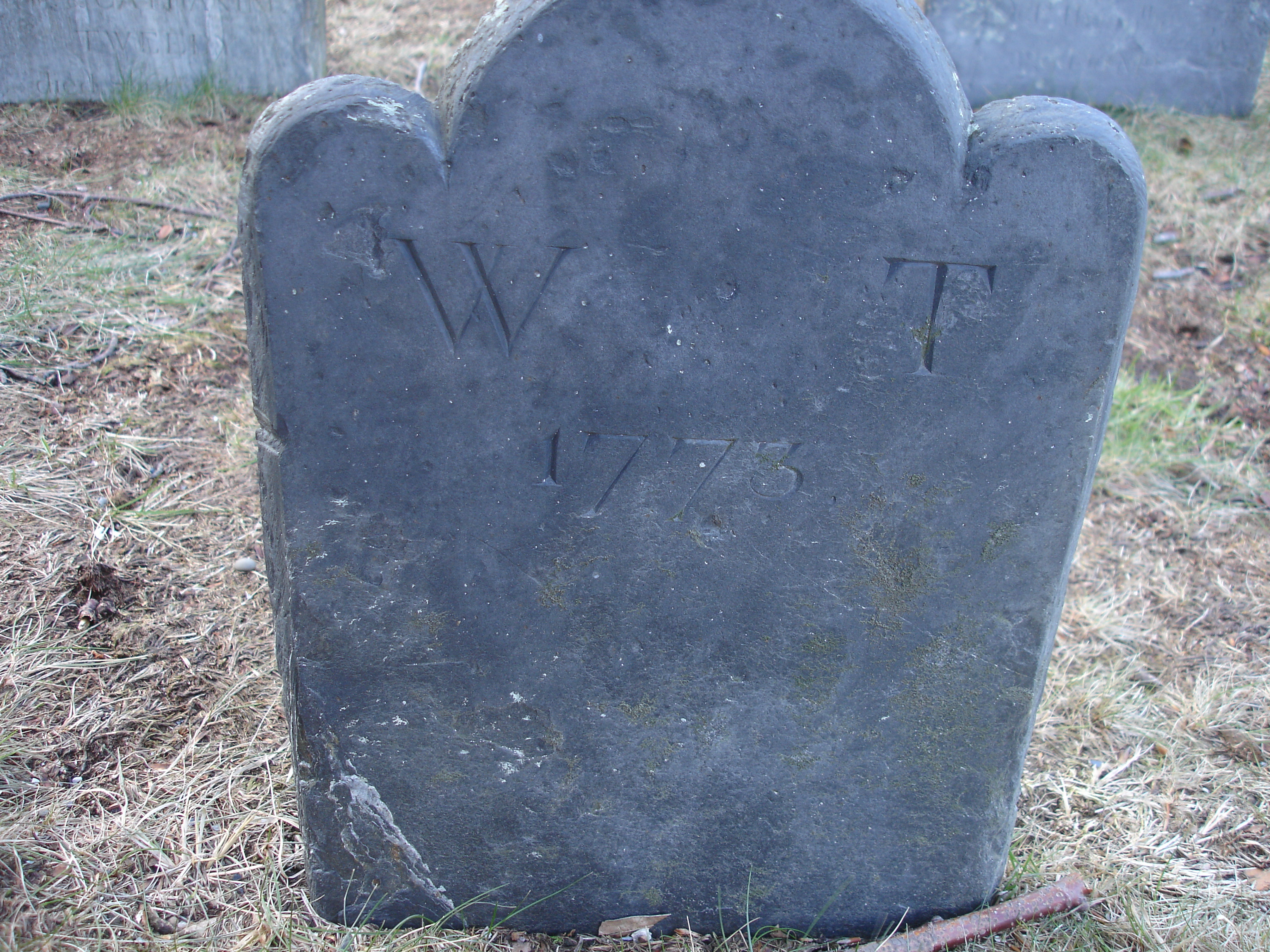
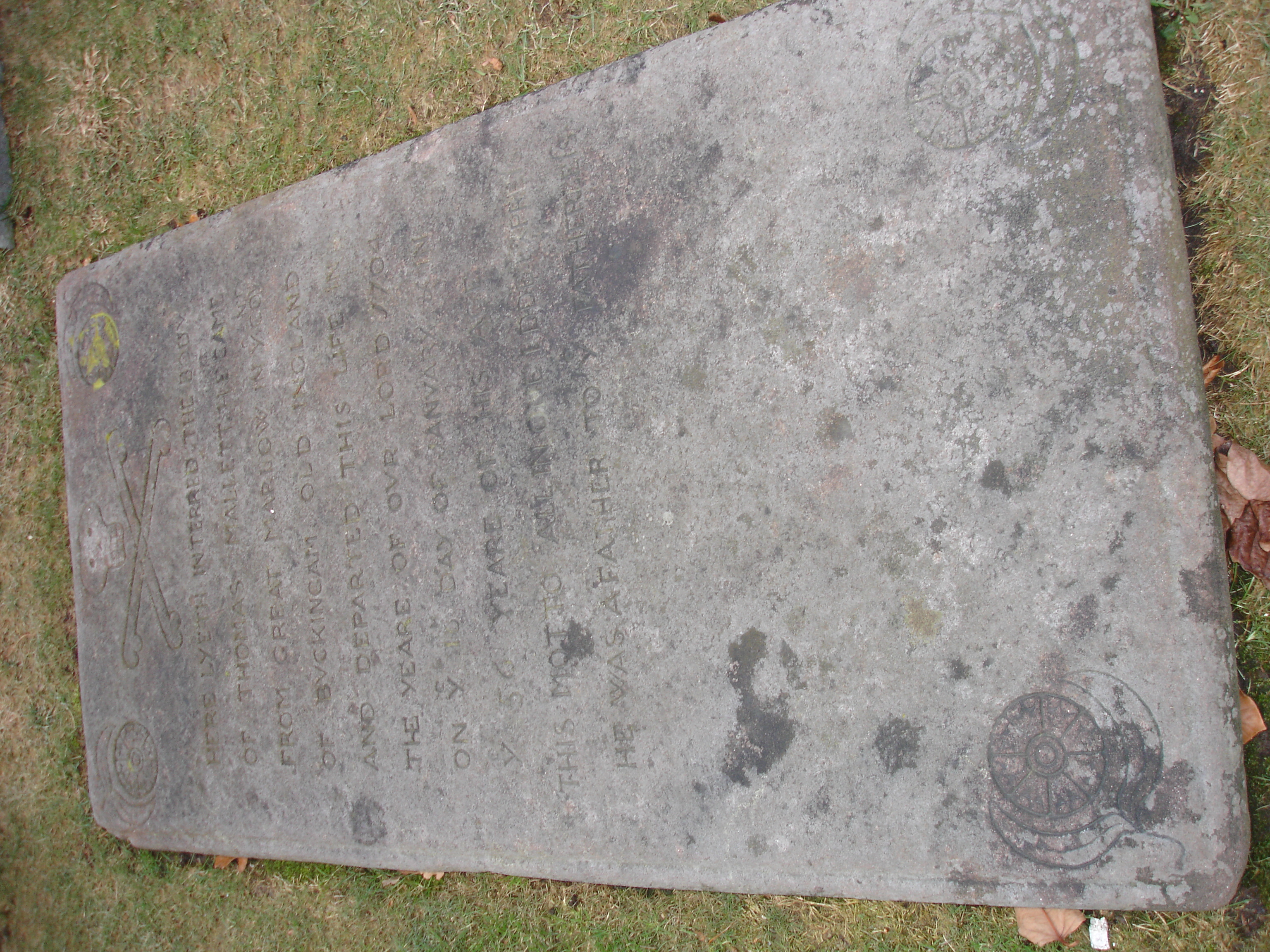
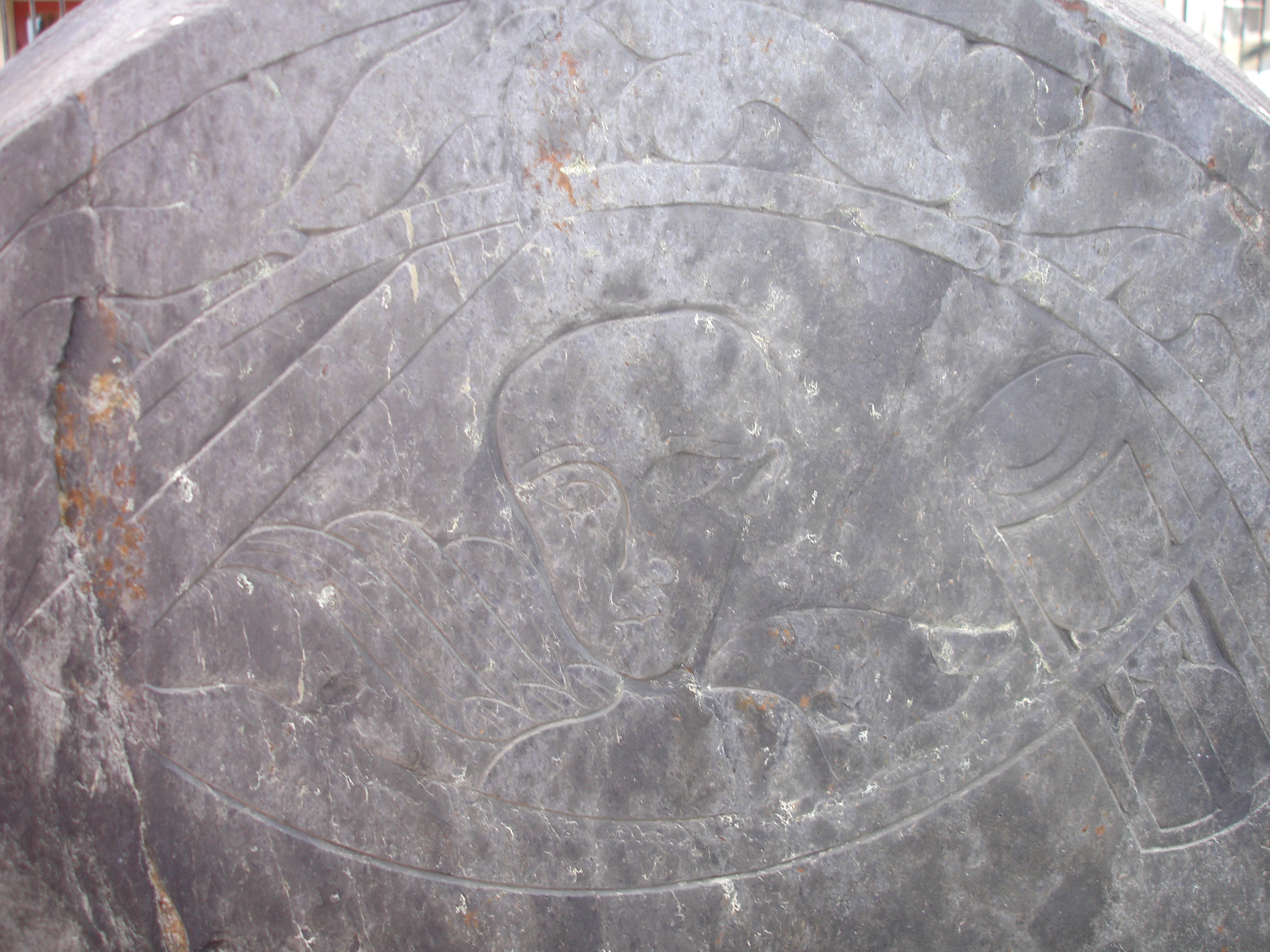
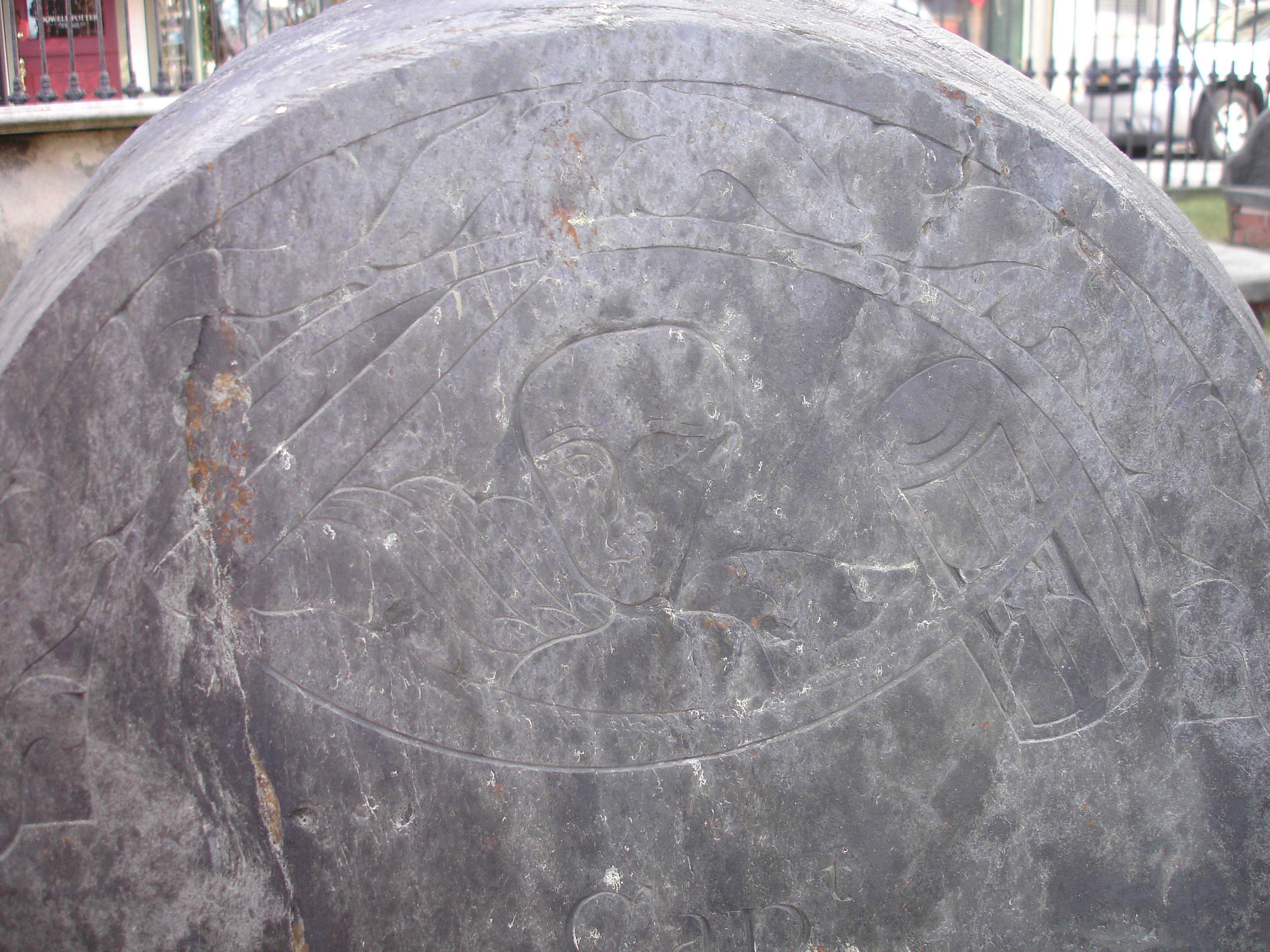
Newport was founded in 1639 and thus its cemeteries have their roots deeply intertwined with early colonial history. Geographically lying only 60 miles south of Boston Massachusetts, Newport’s cemeteries share much of the tombstone iconography seen in Boston’s revolutionary and pre-revolutionary burying grounds. While touring Newport’s cemeteries, I was very pleased to see many instances of Winged Death’s Heads adorn the slate used to mark many burial sites.
Common Ground and Island Cemeteries
Founded in 1640 and contains over 5,000 graves.
Notable for slate grave markers with colonial era death symbology including many winged death’s heads and winged hourglass configurations.
God’s Little Acre is the African-American section of the Common Ground Cemetery.
no sailor in his right mind would ever tempt the fates of the North Atlantic in the midst of winter. However, I readied myself for what would become the adventure of a lifetime. Through gale force winds and a white capping ocean we headed out to sea, across the gulf stream, and southward to the island nation of Bermuda.
On a frigid January evening a fellow sailor told me of a mutual friend who needed extra crew to deliver a sailing yacht from Newport RI. I first learned to sail 3 years ago and most of my sailing experience has been aboard small sailboats on inland lakes. I jumped at the opportunity to sail aboard an ocean going vessel on big waters. I’ve been told that no sailor in his right mind would ever tempt the fates of the North Atlantic in the midst of winter. However, I readied myself for what would become the adventure of a lifetime. Through gale force winds and a white capping ocean we headed out to sea, across the gulf stream, and southward to the island nation of Bermuda.
Rhode Island winters are known to be bone chilling. I arrived in New Port with the Mercury hovering around 10 degrees F. The week before saw temperatures of -8 degrees F. With sustained temperatures well below zero, the brackish salt water of Narragansett Bay begins to freeze over. When I first arrived at the Bowen’s Warf the harbor was encrusted with a thin sheen of ice but the wind was still and the sun shined brightly. A warming trend which helped melt the harbor ice was bringing gusty winds into the harbor. Temperatures rising above zero were nice, however the winds they brought meant we faced a rough night secured by our dock lines.
I boarded the sailing yacht Islandia. Its friendly crew showed me to my stateroom and familiarized me with the pilot house, bridge and engine room of this 137 foot ketch rigged sailing vessel. The crews expertise put me at ease with their obvious knowledge and experience. The vessel had recently undergone a major refit of the engine and generators. Sailing after a major refit is known as a shakedown. The trip to Bermuda would be a shakedown voyage in which all systems would be tested by the expert captain and engineer to ensure perfect functionality for future trips. We expected many problems as the systems were tweaked to their full potential.
When making long passages, sailors use meteorological forecasts to determine weather windows. Weather windows can be compared to playing that old video game Frogger. But, instead of dodging cars, you are dodging heavy offshore storms. After the heavy Rhode Island storms of Monday evening, we found an opportune weather window for our passage to Bermuda. However, since we had delayed our departure from Newport to let one storm past we would have to move quickly to arrive in Bermuda before an expected storm arrived there on Friday. Delaying our departure from Newport to let one storm pass meant we might not reach our destination before another storm hit Bermuda. On the morning after strong winds buffeted Islandia against its mooring our captain determined that an immediate cast off would allow us to arrive in Bermuda 3 1/2 days hence ahead of 55 knots winds borne out of a different mid-Atlantic storm front.
Sunset at mid ocean was beautiful but it foretold the ominous nature of coming storms. One of my shipmates told me of the green flash often seen at sunset as the crest of the sun passes behind churning ocean waves on the horizon. Although we did not see the green “sunset flash” we were lucky enough to experience a bright green bioluminescent glow as our boat’s wake churned up North Atlantic dinoflagellates.
Armed with the latest navigational aids, we experienced a different typo of green glow inside the ship. Islandia’s monochromatic mid range radar proved one of our most useful tools. As the wind speed indicator topped 45 knots, the radar screen betrayed the location of an unending squall line. Storm after storm approached from starboard and as soon as the ferocity of one weather cell passed, the radar screen showed another intensely bright grouping of pixels which engulfed the bridge in a glow of ominous green ambient light.
The night time squalls passed without significant incident and the morning’s updating of the ship’s logbooks reflected the severity of the storms. Though our seas remained in what is known in seaman’s terms as a “confused state”, the sunrise skies were clear and our course held true toward Bermuda.
LAND HO!!!
Upper atmospheric weather phenomena often cause clouds to part around Bermuda allowing sunlight to pierce through an otherwise impenetrable cloud layer. When this phenomenon is in effect, cascading sunlight highlights the entirety of Bermuda allowing it to be seen from further away than would otherwise be possible.
Bermuda is ringed by a series of treacherous coral reefs. Over the centuries since man has been sailing to Bermuda, countless ships have sunk while attempting to make passage through these treacherous waters. Our destination was St. George’s Harbor on the eastern side of Bermuda. To reach this location, we had to motor through The Town Cut. The Town Cut is a very narrow yet deep channel into St. Georges harbor from the East. All hands were on deck as we watched for obstructions and other navigational hazards.
The Bermuda Customs Office granted us authorization to set anchor in the middle of St. Georges harbor. Since we had sailed in the midst of winter, we had the entire harbor to ourselves. With more storms approaching we faced a big blow within the next 5 hours. We acted quickly to set our 750 lb. anchor which secured fast to the strong holding seabed by 450 feet of rode. The long rode allowed our vessel to swing in a wide semi-circle arch as shifting 55 knot winds blew across the harbor later that evening.
The strong winds overnight churned the harbor’s depths and by the next day visibility through the brightly colored aquamarine salt water was less than 10 feet. However, the sun shone brightly and the heavy clothes which protected me from the harsh Rhode Island winter were now stowed securely below deck. Short sleeves and bare feet were common in the Bermuda air warmed by the quick moving gulf stream.
Excited with the prospects of exploring Bermuda’s cemeteries, I made my way to Dawes Bay across Grenadier Lane from my first cemetery. In the 1880s, pioneers of Bermuda experienced a Yellow Fever Epidemic. This military cemetery contains many sailors who were stricken by Yellow Fever and suffered terribly until their final days. Two miles from this military cemetery lies Nonsuch Island which served as a Yellow Fever Quarantine Hospital.
My initial plan to use public transportation to explore the cemeteries of Bermuda had to be abandoned when a dispute between the Bermudian government and the country’s labor unions cause all bus services and all government services to be cancelled. Taxis were also hard to come by so, instead, I opted to rent a motor scooter. Torrential downpours made travel difficult. But, I hunkered down and zoomed through the pouring rain. A kind lady offered me a plastic trash bag to wear as a poncho but my clothes were already soaked. There was no alternative but to laugh at the fact that I had heavy, foul weather gear on board Islandia but, here, I was relying on a garbage bag to keep me dry.
Devonshire Parish was named after the first Earl of Devonshire, William Cavendish. The Old Devonshire Church Cemetery sits just off Middle Road roughly equidistant from the North Shore and South Shore. This is a hilly cemetery though its steep grades are well groomed and maintained by parishioners of the two chapels located amongst the burial plots.
Enjoying a brief respite from tropical storms, I rode off to find St. John’s Anglican Churchyard. St. John’s Anglican Church of Pembroke Parish is huddled between sports complexes and finely maintained homes. This area seems like a dynamic community which enjoys local sports such as Netball, Softball, and Tennis. They take great pride in their school system and that pride shows in the respect they show for their parish grave yard. Amongst the neat rows of grave plots lie departed scholars, businessmen, and sailors.
A short distance from St. John’s Cemetery is a smaller yet equally maintained grave yard which contains my favorite grave marker on Bermuda. Grace Methodist Church Cemetery is nestled adjacent to cemetery road and cemetery lane and is in a slightly more industrialized section of Pembroke Parish. Its gates were donated in honor of Chesley and Gladys White local citizens to Pembroke.
A trip to Bermuda would not be complete without a stop in Hamilton, the nation’s capital. During my trip, political strife was griping the people of Bermuda and a social uprising was occurring in Hamilton as well as the rest of the nation. Protesters gathered around the capital to have their demands heard. Although the scene was well managed by police, protesters were obviously passionate about their cause. As I rode through and observed the protests, I did not understand the implications these protests would have on my future travel plans.
On my way back to St. Georges, I drove through Smith’s Parish to find one of the tallest steeples in Bermuda. At 102 feet tall, it is a classic example of Gothic Revival. St. Mark’s is the third church to be built upon this site. The first church was built circa the 1650’s and the current church’s building commenced in 1846. The cemetery lies just across South Road from St. Mark’s Church.
Cold and wet from a day full of exploration in the rain, I made quick headway back to St. George’s harbor. Bermuda is wholly beautiful with its low cliffs and rugged coastline. I passed Marsden Cemetery near Bermuda’s famous pink beaches, and I even popped onto Church Folly Lane to view the Unfinished Church begun in the 1800’s. The rumor I hears from locals near the Unfinished Church is that a pastor or parishioners embezzled money that was to be used for church construction.
My planned departure from Bermuda was delayed 1 full day because of the government shutdown. My unorthodox entry into the country meant that I needed special documents proving that I had an exit itinerary. The protests in Hamilton caused the Customs Office in Hamilton to be closed. This meant I was unable to be cleared to leave the country and was forced to remain in Bermuda until my paperwork was completed. Taking the opportunity, I made my way across the Castle Harbor Causeway where I secured a hotel for the night. This section of Bermuda is riddled with underground saltwater inlets. These caves contain deep pools of salt water. Swimming in an underground salt water lake is a fantastic experience.
Later that evening, one customs official was kind enough to meet me after business hours to complete my exit paperwork. Though it was difficult to be upset at being held in Bermuda an extra day, I did feel like a bit like a political prisoner.
On my flight back to the United States, I peered out my window with eagle’s eyes. With each break in the clouds, I scanned the ocean below in a vane attempt to spot sailing vessels on the ocean’s surface. The surreal feeling of soaring 37,000 above the crashing waves and howling winds I had sailed through days before made me long to be powered by the winds of the high seas. In the words of Jimmy Buffet, “Oh, I wish I were sailing again.”
Soon enough, the U.S. coast line came into view from my airplane window and, before long the cold U.S. winter was before me. Within hours, was once again exploring the snow covered cemeteries of home.
As much as I am a home body and a creature of comfort, travel often fills me with additional wanderlust. One great adventure necessitates another. Luckily, flights leave daily and with great anticipation, I look forward to my next cemetery expedition.
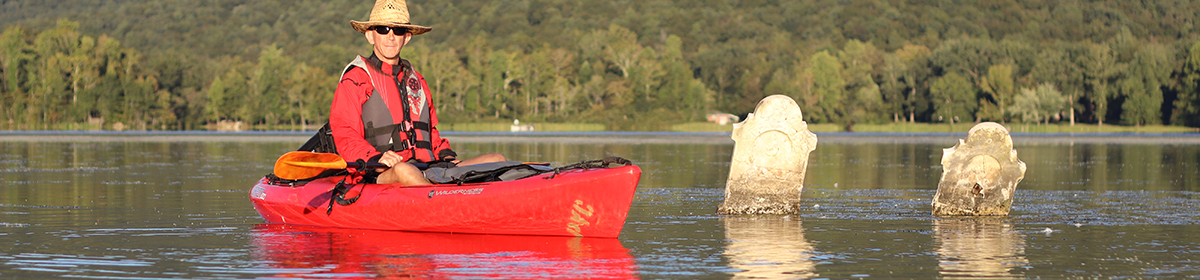
Cemetery Island is an instance of a cemetery isolated by rising waters in the middle of a large lake.
Cemetery Island is located above Watts Bar Dam. When the TVA system of dams caused waters to rise, more than 500 cemeteries were relocated. Cemeteries that were above the flood plane and burial sites that families did not want moved were left where they originally stood. Cemetery Island, where Leuty ancestors are buried, is an instance of a cemetery isolated in the middle of a large lake.
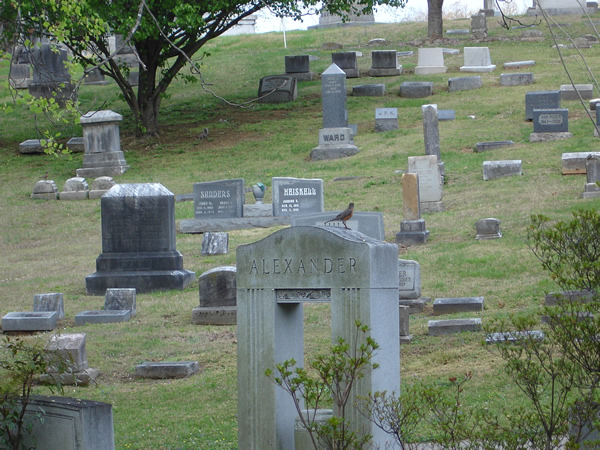
Nestled within the Lookout Mountain foothills, Forest Hills Cemetery is easily one of the most interesting cemeteries in Chattanooga, Tennessee. Whenever I am in Chattanooga, I love to visit Forest Hills and wander through the older sections of the cemetery.
From the only female to ever strike out Babe Ruth to leaders of local industries dating back to the early years of Chattanooga’s industrial age, Forest Hills resident list is long and varied.
The rolling terrain that helps give Forest Hills its name.
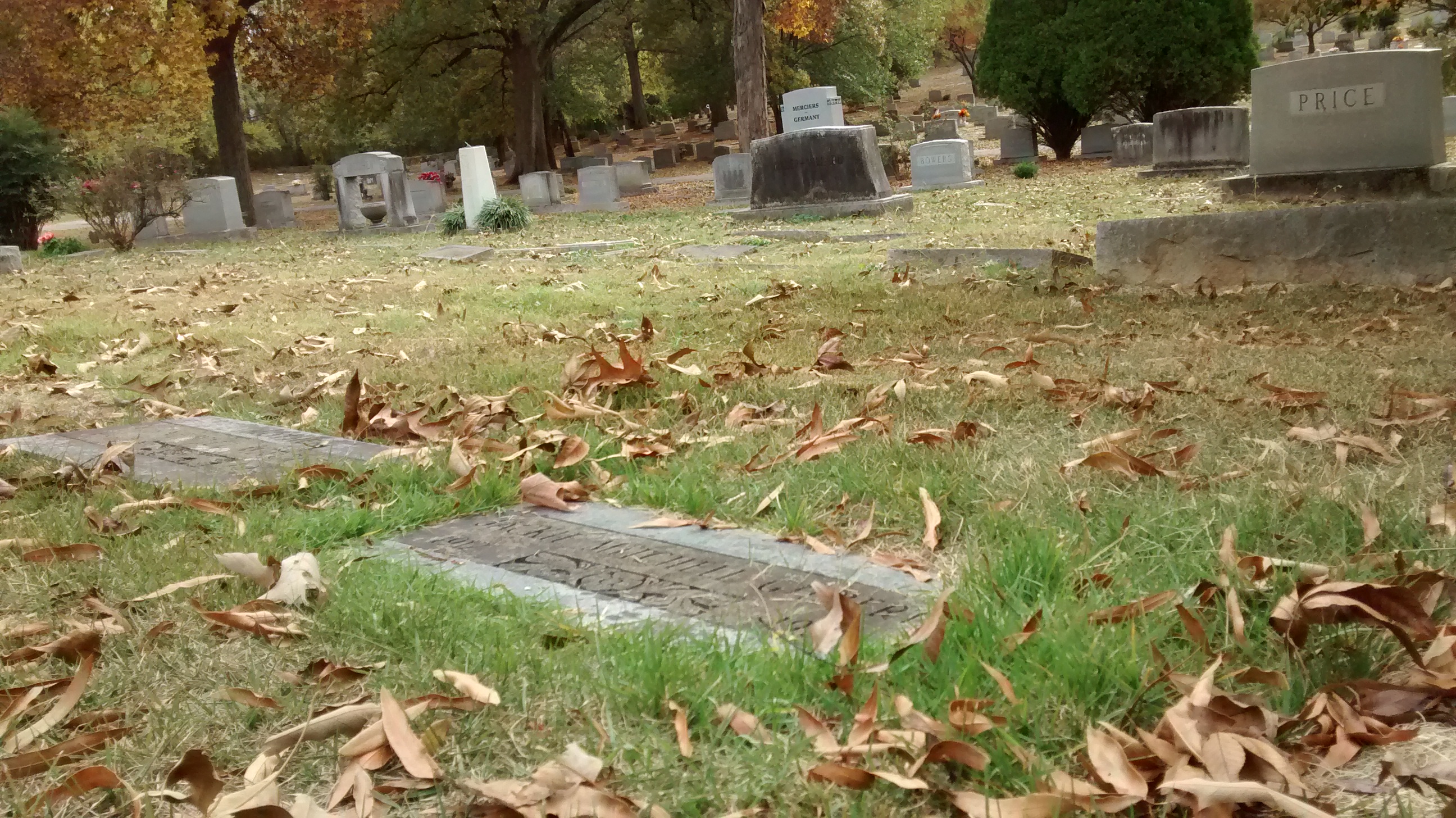
Truly exhibiting the rolling terrain that makes Chattanooga such a scenic city, Forest Hills’ landscape varies between sections of flat areas populated by flush mounted grave markers to steep inclines with aging monuments standing stalwart overlooking historic St. Elmo 7 miles outside of the city.
Many notable Chattanoogans are buried in Forest Hills Cemetery.
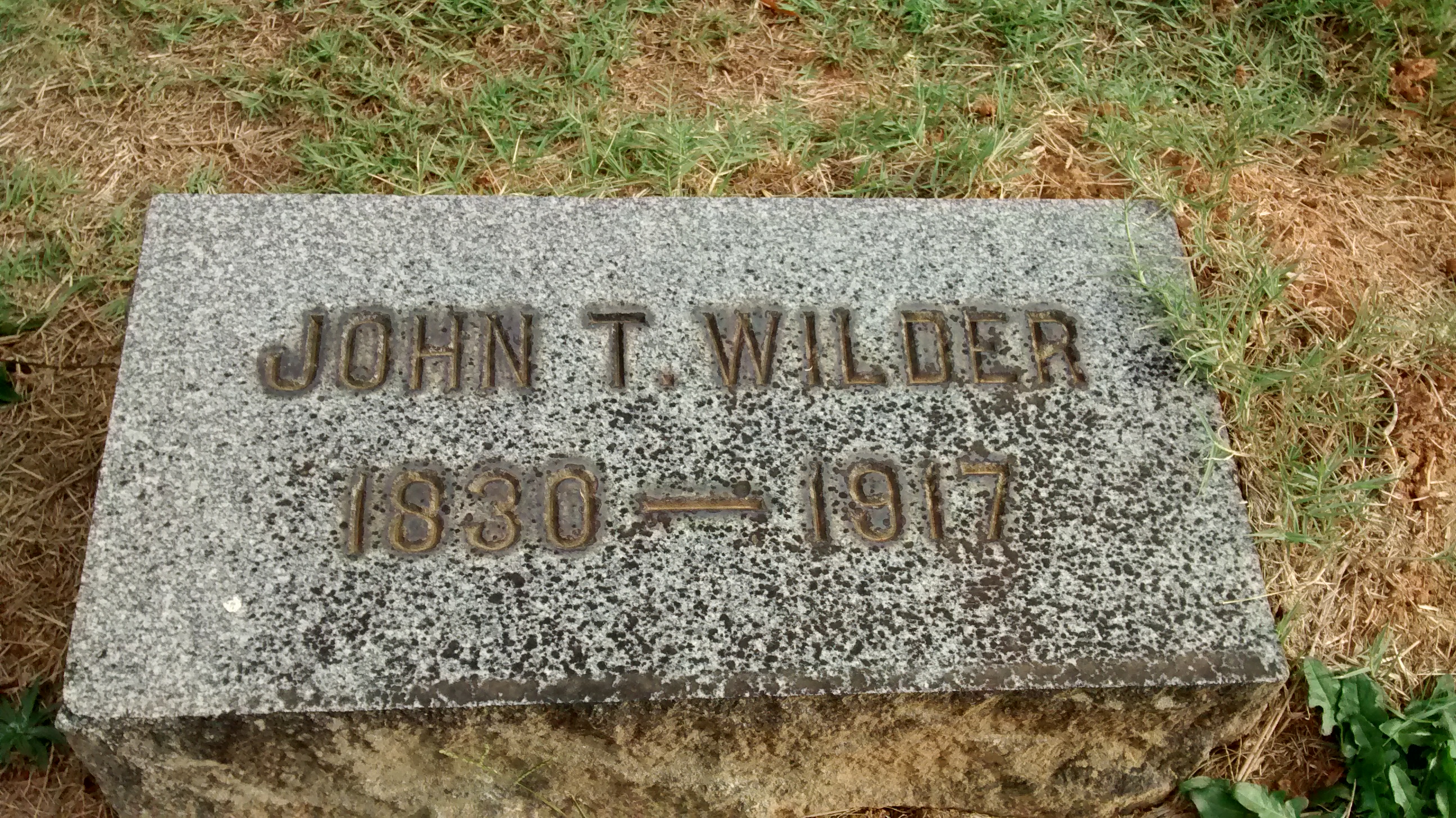
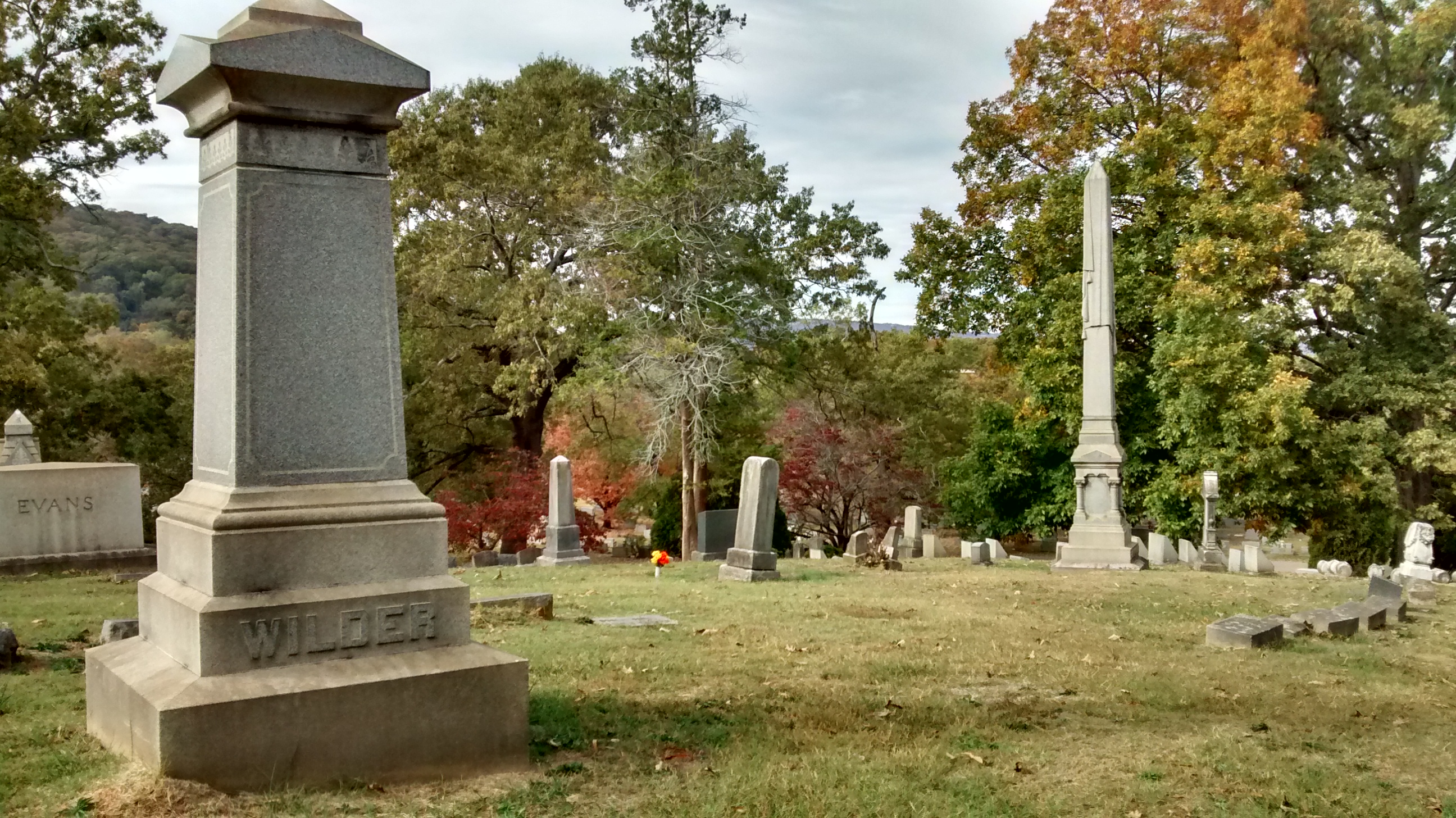
John T. Wilder was a Union Colonel during the U.S. Civil War. On September 18, 1863 Wilder masterfully defended Chickamauga Creek to prevent Confederate Soldiers from flanking the Union Army. This action helped secure the Union position on that day. Wilder later battled in Atlanta and eventually returned to Chattanooga to begin a foundry. He died in 1917. Wilder Tower was build on the grounds of Chickamauga and Chattanooga National Military Park.
On April 2, 1931 17 year old Jackie Mitchell struck out famous Baseball legend Babe Ruth during a Chattanooga Lookouts game against the New York Yankees in Chattanooga. The next batter was Lou Gehrig who swung and missed three times for her second strike out in a row. Jackie continued to play professionally but baseball officials cancelled her contract and declared women unfit to play baseball.
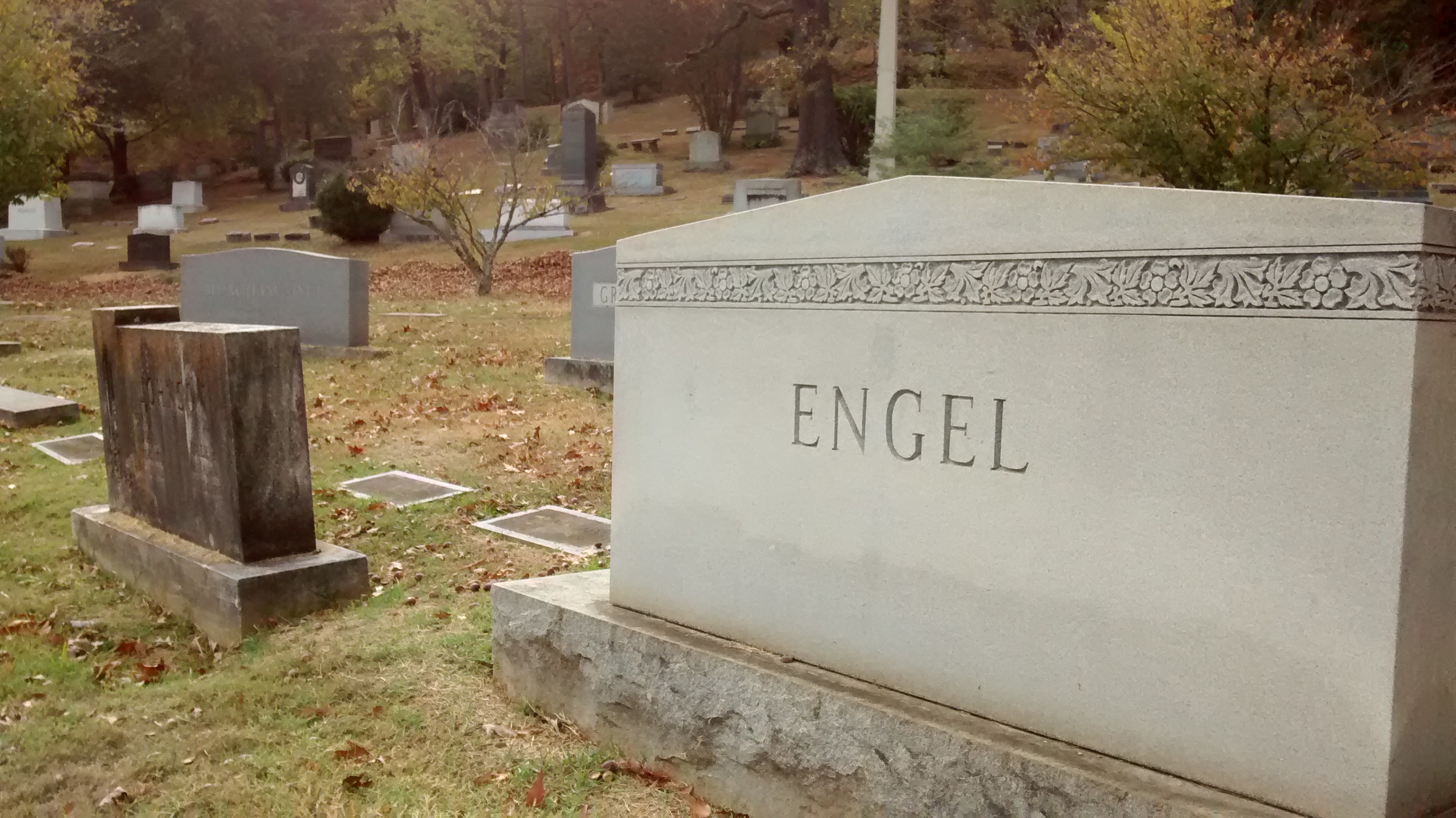
Longtime President and tireless promoter of the Chattanooga Lookouts Baseball Team Joe Engle was a fixture in Chattanooga. This southpaw pitcher came to Chattanooga in 1929 and ran a successful franchise operation with oddball promotions. Chattanooga’s famous Engle Stadium was named after Joe who died in 1969.
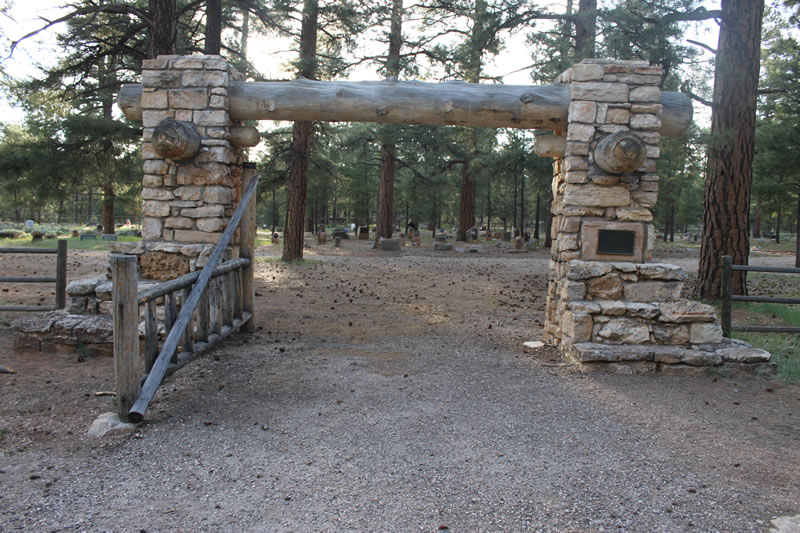
In 1919, the Grand Canyon’s most colorful character (John Hance) was buried in what became the Grand Canyon’s Pioneer Cemetery.
I first visited the Grand Canyon in January 2007 after brief stays in Las Vegas, Flagstaff, and Meteor Crater with my amazing friend (The Cemetery Diva). At 7000′ elevation on the South Rim, the weather at the Grand Canyon in January is frigid. The mercury in my thermometer plummeted to -3 F during my first night and, since I have limited experience with such cold weather, I was unprepared for the consequences of sub-zero temperatures. Though I did not freeze to death, as my hotel room was nice and warm, I remember being astounded that my hair froze solid during a brief run after my morning shower. Ah well, the day’s sunrise brought increased temperatures and my hikes to Plateau Point and Skeleton Point were highlights of my trip. I vowed to return better prepared to hike all the way to the Colorado River.
Fast forward to this year. During my recent “Cemeteries Across America” tour, I was lucky enough to pay another visit to the Grand Canyon. The Cemetery Diva and I were better prepared this time to delve deeper into (and out of) the inner canyon. Being in great physical condition and carrying only the supplies we truly needed, we hiked Rim-to-Rim (South Rim to North Rim). After a relaxing night’s stay on the North Rim, she was kind enough to take the trans-canyon shuttle back to the South Rim while I ran the North Rim to South Rim route with a couple of new found friends. My return Rim-to-Rim run took a mere 7 hours. During her free hours, The Cemetery Diva set up camp in the Grand Canyon camp grounds, found a great spot to have dinner, and located the Pioneer Cemetery.
In 1919, the Grand Canyon’s most colorful character (John Hance) was buried in what became the Grand Canyon’s Pioneer Cemetery.
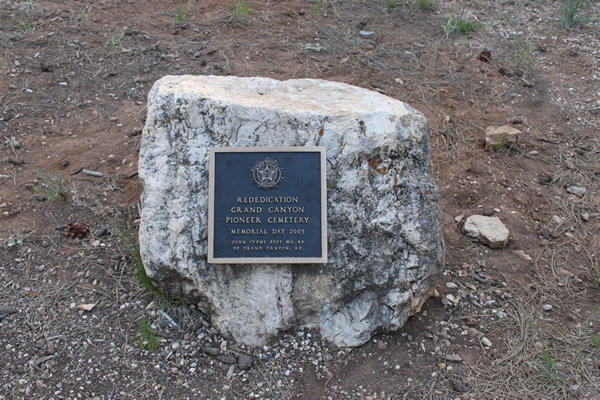
Pioneer Cemetery Rededication
Since the time of John Hance’s burial roughly 300 people have been interred in the Pioneer Cemetery according to Find-A-Grave. Burial is now restricted to residents of Grand Canyon, Arizona. On Memorial Day, 2003 the cemetery was rededicated by the American Legion. The American Legion largely maintains Pioneer Cemetery and they help promote the history of the cemetery and the Grand Canyon.
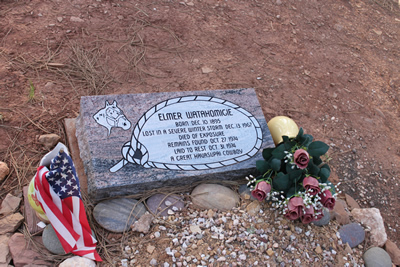
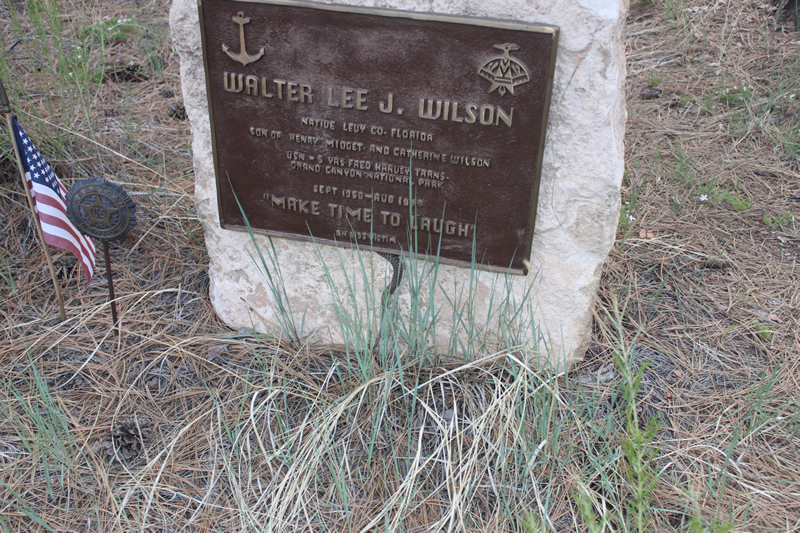
I love descriptive grave markers. Grand Canyon’s Pioneer Cemetery is filled with descriptive grave markers that share not only the DOB and DOD but also tidbits about the person’s life. One such gravestone marks the grave of Elmer Watahomigie. He was a cowboy in the Grand Canyon and was lost in a severe December winter storm. His remains were not recovered until 1974.
Other markers tell stories of musicians, world sailors, poets, artists, teachers, and lovers who met at the canyon.
In 1956 two airplanes collided between the canyon’s walls. 128 people lost their lives in the plane crash and there were no survivors. A monument is dedicated to those buried here; many of them in a mass grave.
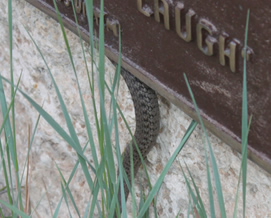
As I enjoyed walking the cemetery and reading the interesting dedications on tombstones, I was surprised by one grave marker. The stone itself did not surprise me nor did the inscription on the plaque. As I stooped in close to examine the marker, I jumped back in a sudden fright as I realized I was within inches of a snake’s tail. I am not normally taken aback by snakes unless they startle me. And, this one really startled me. He (she?) was hiding in a crevice behind a plaque attached to a grave marker. He was likely shading himself in an effort to stay cool with only his tail exposed to the sun to help maintain his body temperature. I have hiked many miles in the Grand Canyon seeing many wildlife species but this is the only snake I have seen.
Close up of a snake behind plaque.
I have three recommendations should you ever decide to visit the Grand Canyon. First, properly prepare yourself and venture into the canyon beyond the casual sightseers that never truly see the beauty of the inner canyon. Second, take a few hours to explore the Pioneer Cemetery and beware of snakes. Finally, after a full day’s adventure of hiking and exploring, make a reservation at the Grand Canyon lodge to enjoy a huge plate of spaghetti and meatballs.
Ah, what an adventure.
– The Cemetery Detective
Following a keen interest in cemeteries The Cemetery Detective has studied burying grounds from Hawaii to Maine, Europe, and throughout the United Kingdom. He instructs entrepreneurs how to start their own grave care businesses through his website: www.GraveCareBusiness.com